Care is one of those words we think we understand.
It sounds gentle. Personal. Human. And it is.
But I have been wondering if we have made the word too small.
Because in many communities, care is not simply a feeling. It is not only kindness or compassion or the private work of looking after a household.
Care is the work of keeping life going.
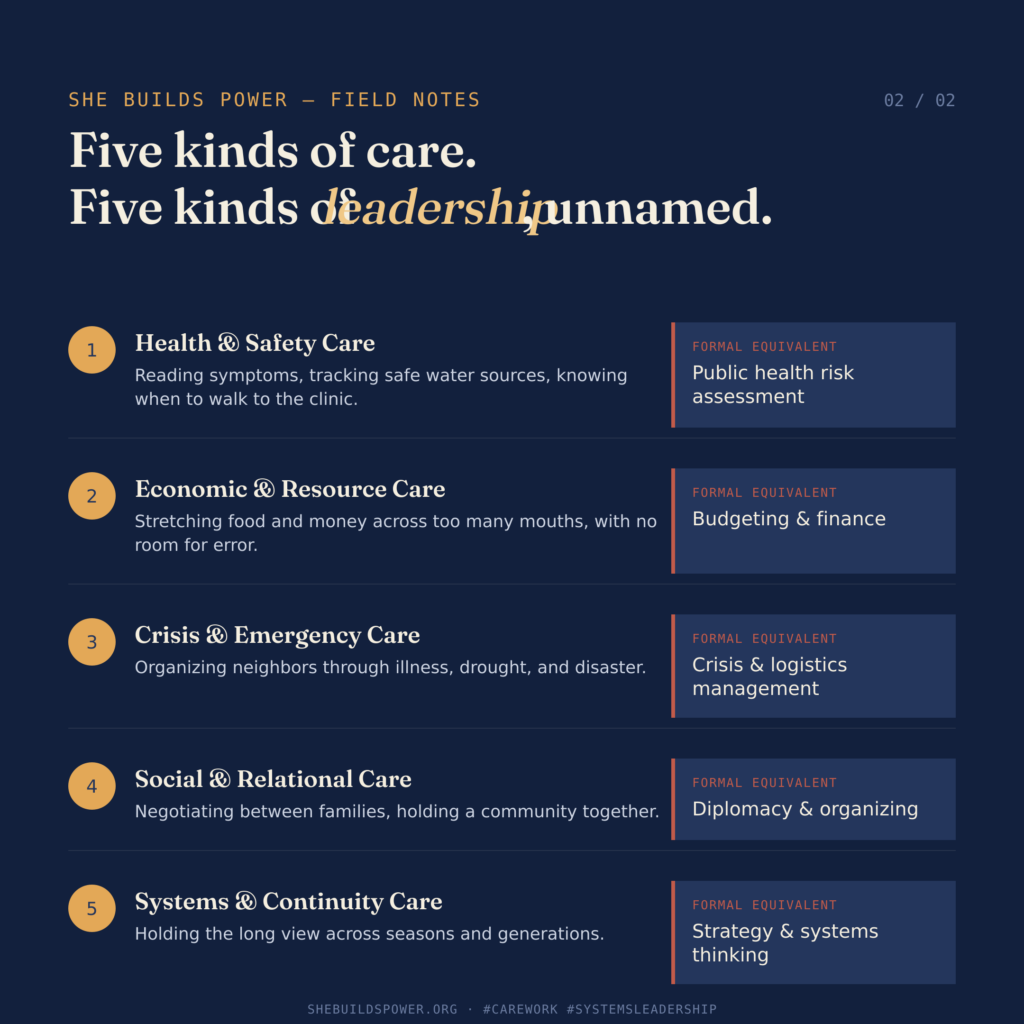
It is noticing when the water source is making children sick.
It is stretching food across too many mouths.
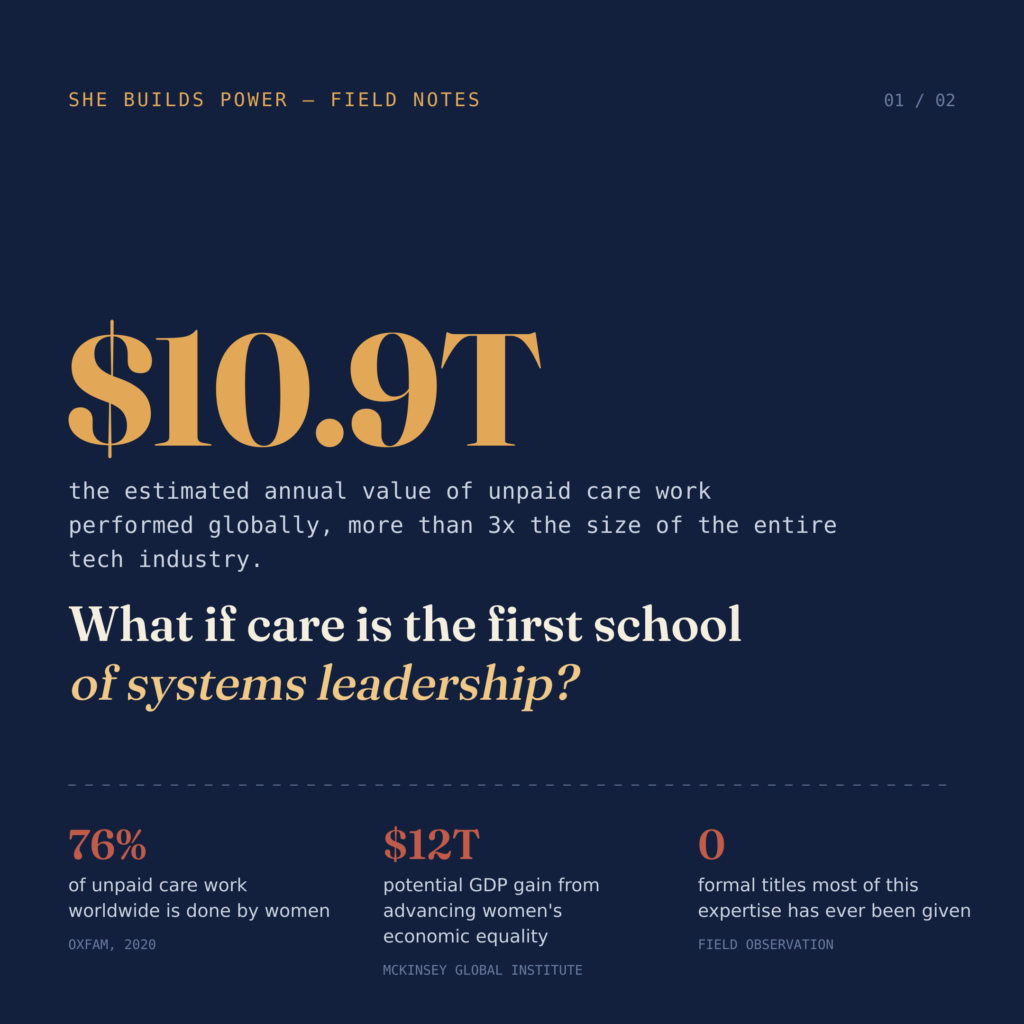
It is knowing which child needs medicine, which elder needs help, which neighbor has not eaten, which family is quietly struggling. It is managing time, money, health, relationships, risk, and uncertainty, often with far too little support. And most of that work is done by women.
Not because women are naturally born to carry it. But because, in many places, they are expected to.
That distinction matters. Because when care is treated as something women simply “do,” we miss the intelligence inside it.
Care requires observation. Planning. Memory. Negotiation. Resource management. Public health judgment. Emotional intelligence. Systems thinking.
In other words, many of the capacities we later call leadership, logistics, finance, engineering, or strategy have often been practiced for years through the work of care.
We just have not always called it that.
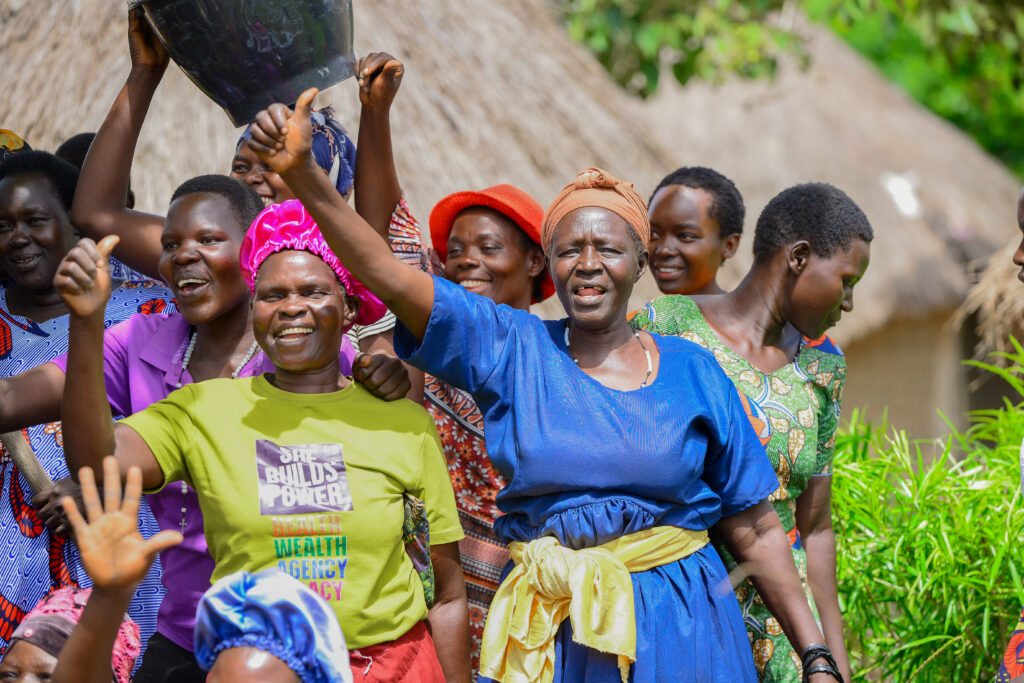
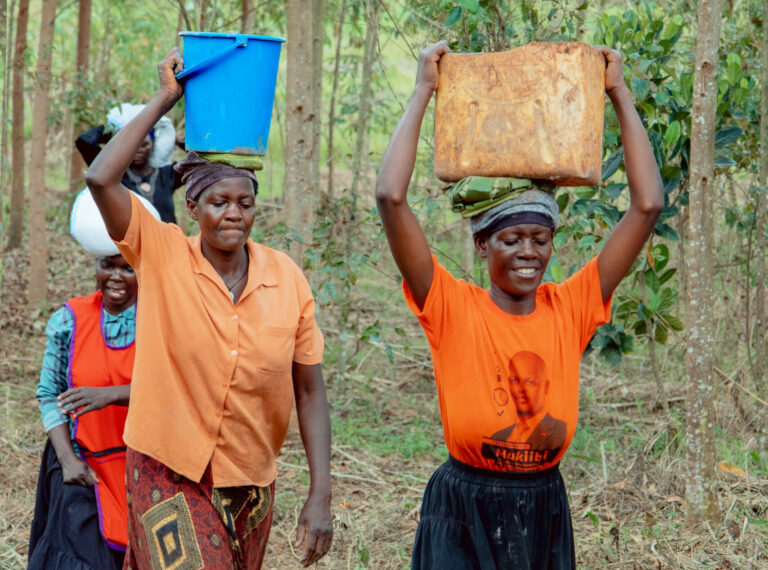
I have seen women walk miles for water and know exactly which source is safest in which season. I have seen women manage household economies with more precision than many formal budgets. I have seen women organize neighbors during illness, drought, school crises, funerals, celebrations, and emergencies. I have seen women make decisions every day that determine whether families stay healthy, whether children stay in school, whether food lasts, whether a community holds together.
That is not soft work.
That is systems work.
And yet, too often, development programs treat women as beneficiaries of expertise rather than holders of it.
We arrive with frameworks. They arrive with lived intelligence.
We arrive with technical language. They arrive with years of practical problem-solving.
The question is not whether formal training matters.
It does.
Technical skills matter. Engineering matters. Finance matters. Public health matters. Agriculture matters.
But training lands differently when it recognizes the intelligence already present.
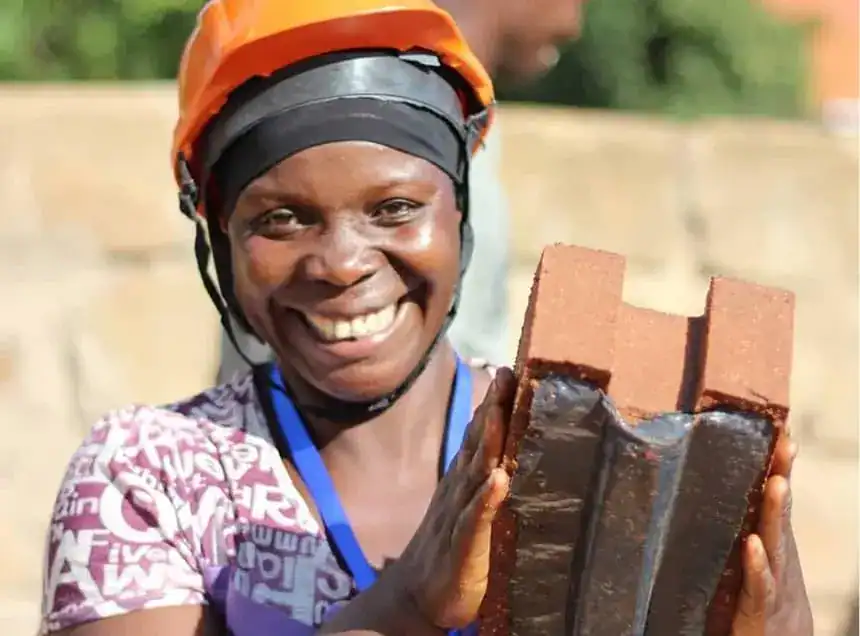
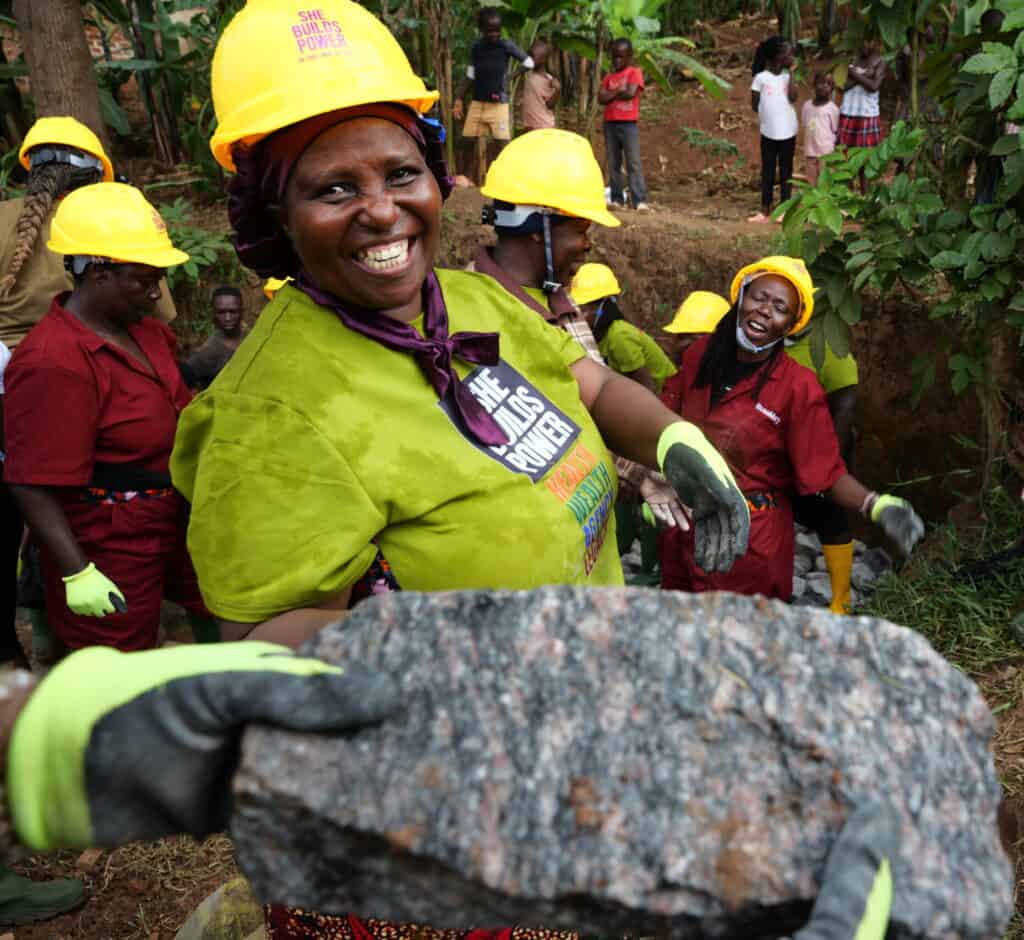
At She Builds Power, we have watched women learn to build water systems, manage loans, lead construction, grow food, and organize communities. Those skills had to be taught, practiced, and strengthened.
But the capacity to learn them was not created from nothing.
It was already there. Sharpened through years of caring for families and communities under real constraints.
That is why I think we need to rethink care. Not to romanticize it. Not to ask women to carry more.
But to recognize that care has always been one of the places where leadership is formed.
If care is the work of keeping life going, then perhaps it is also one of the first places where people learn how systems fail.
And how they might be repaired.
Maybe care is not the opposite of power.
Maybe care is one of the places power begins.