FOOD
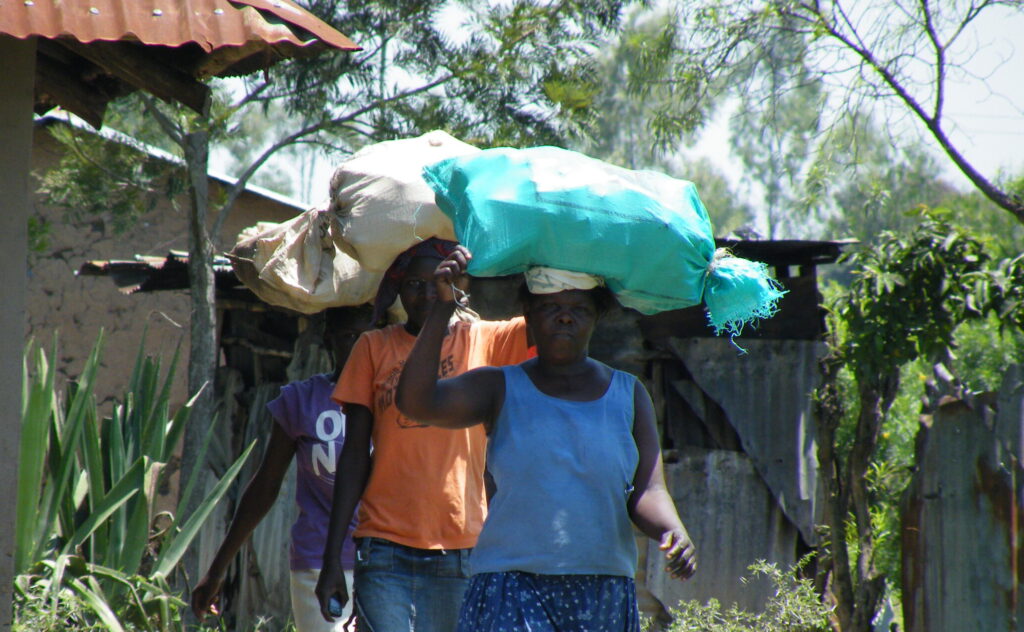
Food is freedom. But for too many women, feeding their families means fighting drought, depleted soil, rising prices, and unfair systems—without access to land, tools, or capital.
WHY FOOD?
- Women produce up to 70% of food in Africa—but own less than 15% of land and receive less than 10% of agriculture extension support. Climate shocks are making harvests more unpredictable—and women farmers are hit first and hardest. Hunger is not a supply issue. It’s an access, equity, and agency issue.
- At She Builds Power, we don’t just teach women how to grow food. We train them to become land stewards, agri-entrepreneurs, and nutrition advocates.
- Because when a woman grows her own food, she doesn’t just feed her children. She feeds her power. She feeds her future.
HER FOOD SOLUTIONS
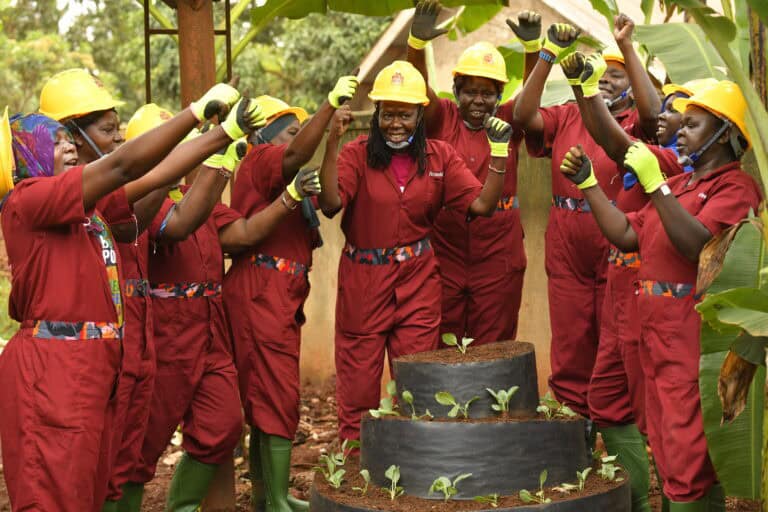
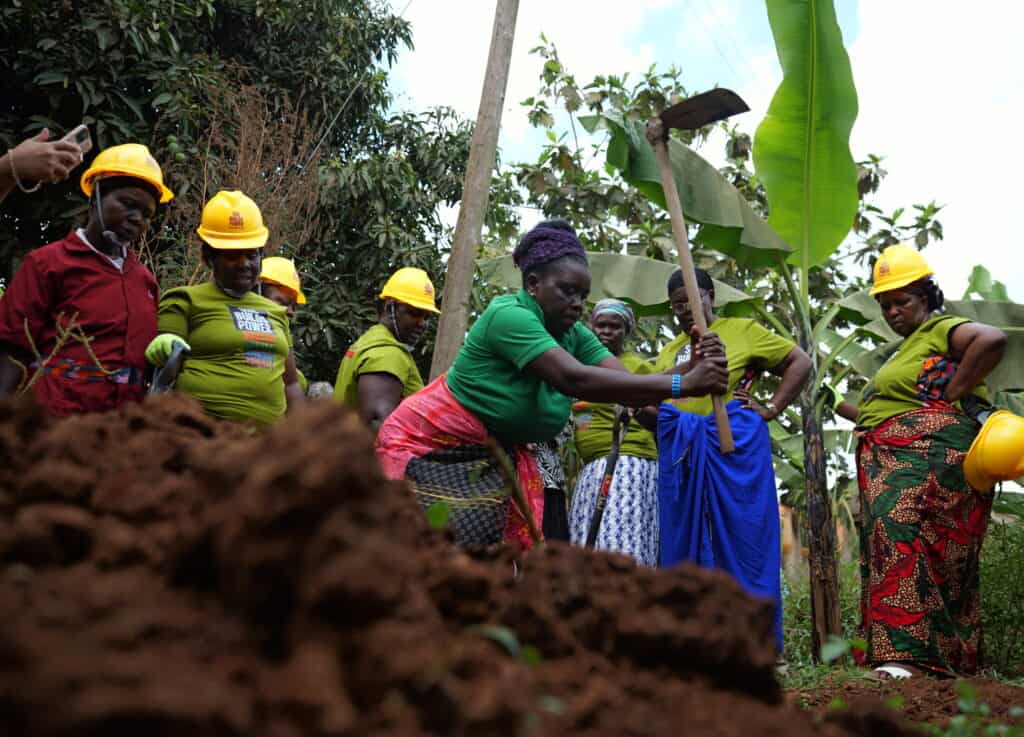
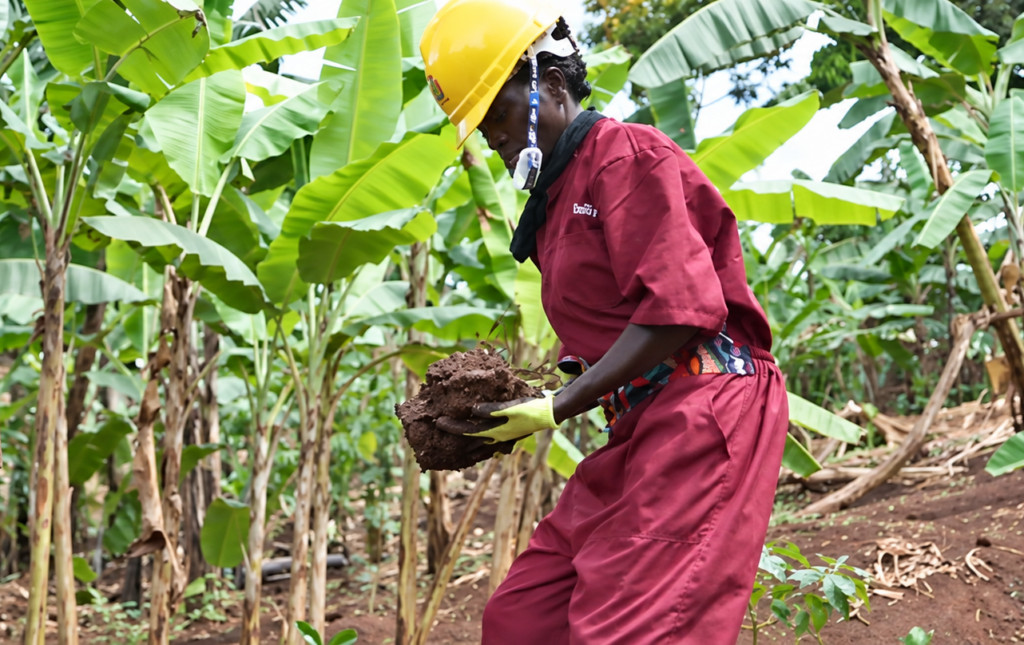
She grows more than crops-she grows power. We train women in regenerative farming, seed saving. and water-smart techniques to produce food for home and market.
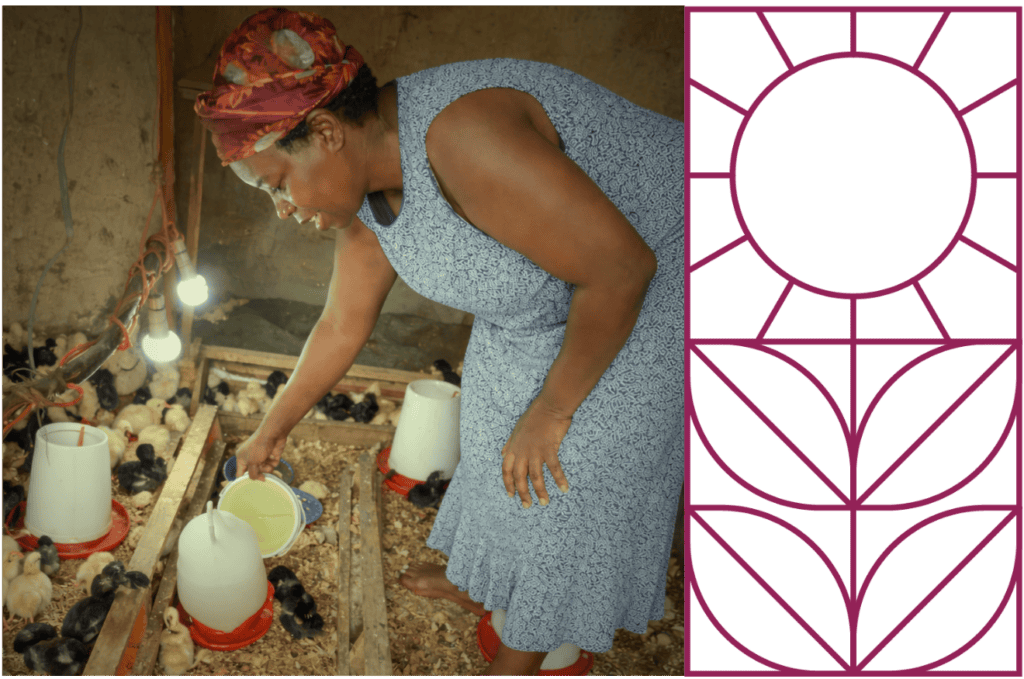
She turns animals into assets. Women learn to raise chickens, goats, and bees for income, nutrition, and self-reliance.
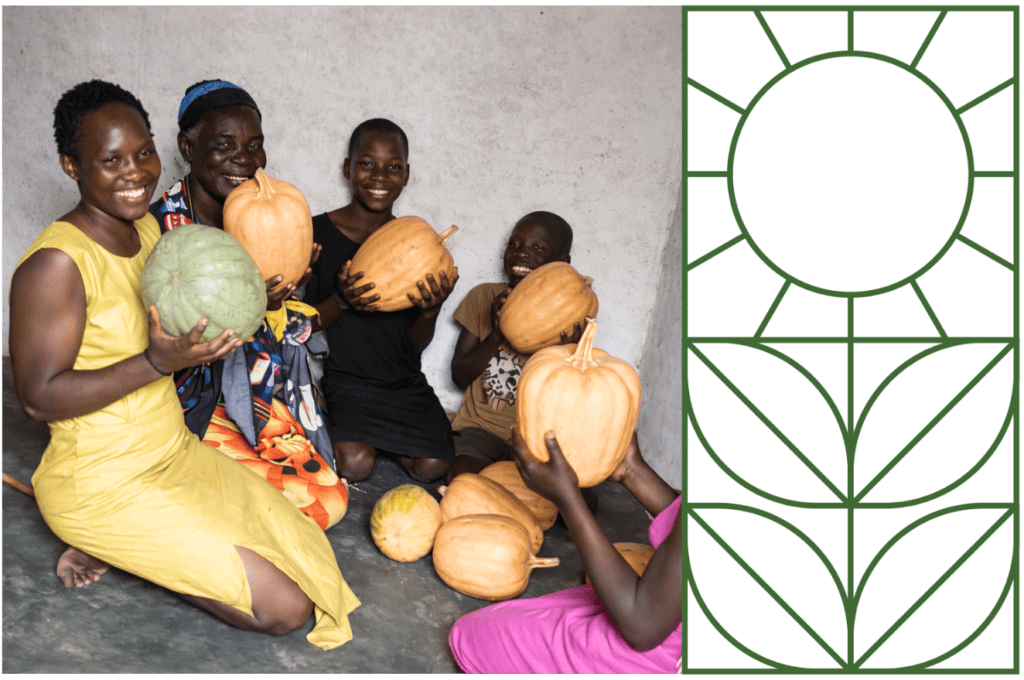
She feeds futures. We equip women to grow and prepare nutrient-rich food, teach others, and address malnutrition from the ground up.
FOOD ISN’T JUST SURVIVAL. IT’S A SYSTEM WOMEN DESERVE TO SHAPE—AND LEAD.
WHY OUR MODEL WORKS
- Our food systems are rooted in culture, climate, and care.
- Our training is hands-on, peer-led, and entrepreneurial.
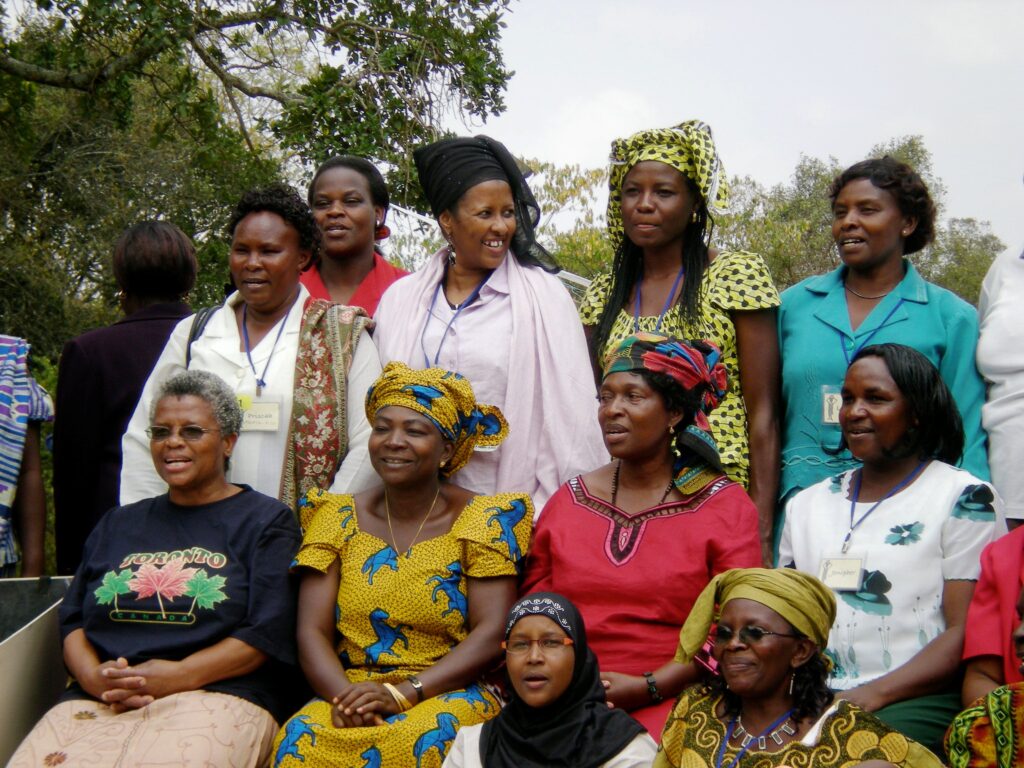
- Our work centers women as land protectors, not just laborers.
IMPACT STORY
SHE IS KEMIGISA RITAH
Item #1
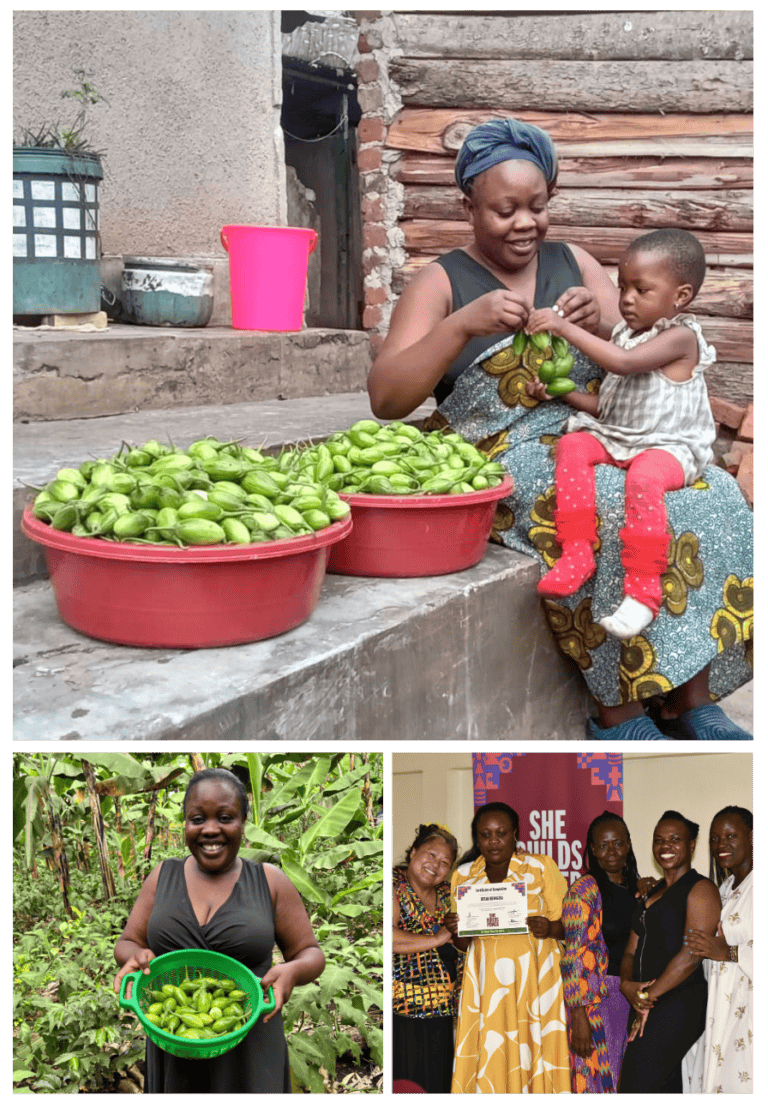
Meet Kemigisa Ritah, a 36-year-old mother of two from rural Uganda. For years, she struggled with poor soil and outdated farming on her one-acre plot, barely producing enough to feed her family. Hunger and the pressure to pay school fees weighed heavily on her.
Her breakthrough came when she joined a She Builds Power training on bio-intensive farming led by Rosemary Atieno, SBPs Kenya Country Rep and resident agriculture expert. Ritah learned regenerative techniques to enrich soil, conserve water, and diversify crops—methods designed not just for survival, but for lasting abundance.
READ MORE
Armed with new skills, she transformed her land into a thriving garden. Today, she grows sukumawiki, eggplants, cabbage, carrots, and matooke (bananas), harvesting far more than before. Once struggling to get by, Ritah now earns about 830,000 Uganda Shillings ($237) monthly from her farm. This steady income provides nutritious meals, pays school fees, and secures essentials, replacing sleepless nights of worry with peace of mind.
Ritah’s success has made her a role model. Neighbors admire her flourishing farm, and many women are inspired to adopt sustainable practices. By nurturing the soil and her community, Ritah proves that knowledge and determination can create food security, financial stability, and a healthier environment. Her story shows the power of women building a future where families thrive.