There is a phrase in the water sector that sounds impressive enough to intimidate anyone who isn’t carrying a hydrology degree:
Integrated Water Resources Management
IWRM emerged from a simple but profound realization: water problems cannot be solved in isolation.
Water is connected to agriculture, health, energy, ecosystems, education, climate adaptation, economic development, and governance. Decisions about one inevitably affect the others.
Anyone who has worked in the sector for more than five minutes knows this is true. Build a well without considering maintenance, and it breaks. Expand irrigation without considering downstream users, and conflict emerges. Improve sanitation without protecting groundwater, and drinking water becomes unsafe. Integrated thinking matters.
But in practice, IWRM is far more than a technical framework. It requires governments to coordinate across ministries, utilities to balance service delivery and financial sustainability, investors to finance infrastructure, regulators to navigate competing demands, and communities to manage daily realities.
Integration sounds sensible in theory. In practice, it is messy, political, and deeply human. After more than twenty years working alongside women in communities across Africa and Asia, I’ve often wondered if the conversation about integration starts in the wrong place.
Because the women I’ve worked with have never used the phrase Integrated Water Resources Management.
But they understand interconnection intimately.
A woman deciding whether to use water for cooking, washing, livestock, or a kitchen garden isn’t simply allocating household resources. She’s calculating consequences. If she walks farther for cleaner water, she’ll miss the savings group meeting. If her daughter helps collect water, she’ll miss school. If drought reduces harvests, livestock may need to be sold. If illness strikes, school fees may become medicine.
These aren’t abstract systems diagrams. They’re daily decisions made in real time under conditions of constraint.
I think of Sofia, who mobilized her community around what seemed like a straightforward goal: building a rainwater harvesting tank at a local church beside a contaminated pond that served as one of the community’s primary water sources.
The immediate benefit was safer water. The longer-term impact was something much bigger. The community contributed additional resources to connect to the local water utility, creating a more reliable and sustainable water system.
With greater stability came new possibilities.
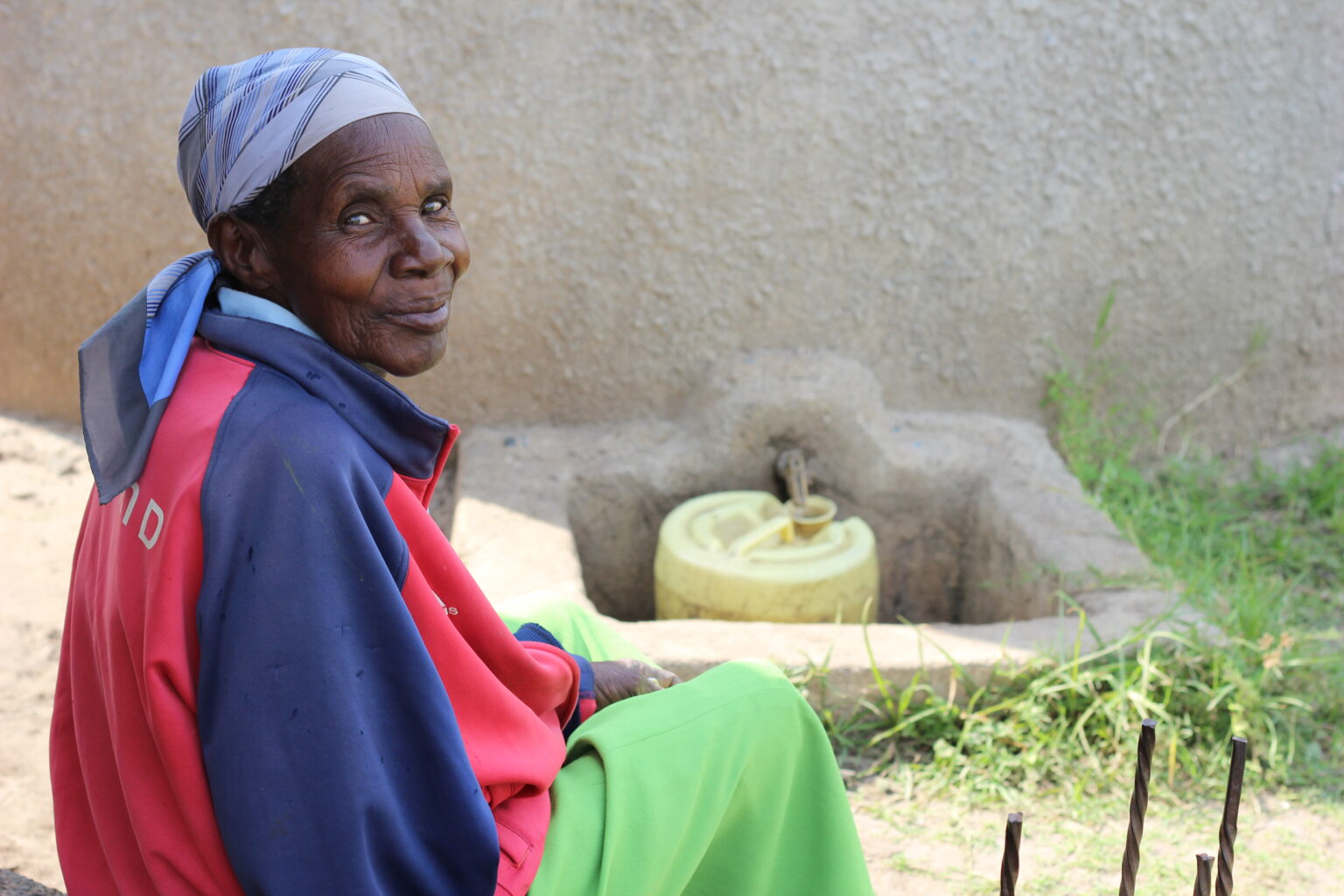
The community contributed additional resources to connect to the local water utility, creating a more reliable and sustainable water system. With greater stability came new possibilities.
The village started savings groups. Families invested in chickens and small livestock. Kitchen gardens flourished. Small businesses emerged. Homes improved.
From the outside, it might appear to be a story about infrastructure. But that isn’t how I remember it. I remember watching one intervention ripple outward into livelihoods, financial resilience, nutrition, and community cohesion.
The water tank mattered. But its greatest contribution may have been creating the conditions for people to reimagine what else was possible.
To be clear, this is not the same thing as formal IWRM. Technical expertise matters. Hydrologists, engineers, economists, ecologists, and policymakers all bring essential knowledge to the table. Nor should we romanticize the burdens women carry. The sophisticated systems intelligence many women develop through necessity is not evidence that these responsibilities belong to them. It is evidence that expertise often emerges under pressure.
For decades, the water sector has recognized that women play a central role in water management. Yet inclusion and influence are not the same thing. Too often, women are invited into processes to satisfy representation goals rather than engaged as contributors whose lived experience can strengthen the quality of decisions themselves.
We ask women what they need. Less often do we ask what they know. Perhaps the future of water management isn’t about replacing expertise with experience, nor elevating one form of knowledge above another.
Perhaps it is about integration in its truest sense.
Integrating disciplines.
Integrating sectors.
Integrating scales.
Integrating perspectives.
Because if IWRM asks us to recognize that water does not exist in isolation, perhaps we should also recognize that expertise doesn’t either.
Sometimes wisdom arrives carrying a jerrycan.