Importance of women in food security: Unlocking $1 Trillion
Why Women Are the Key to Solving Global Hunger
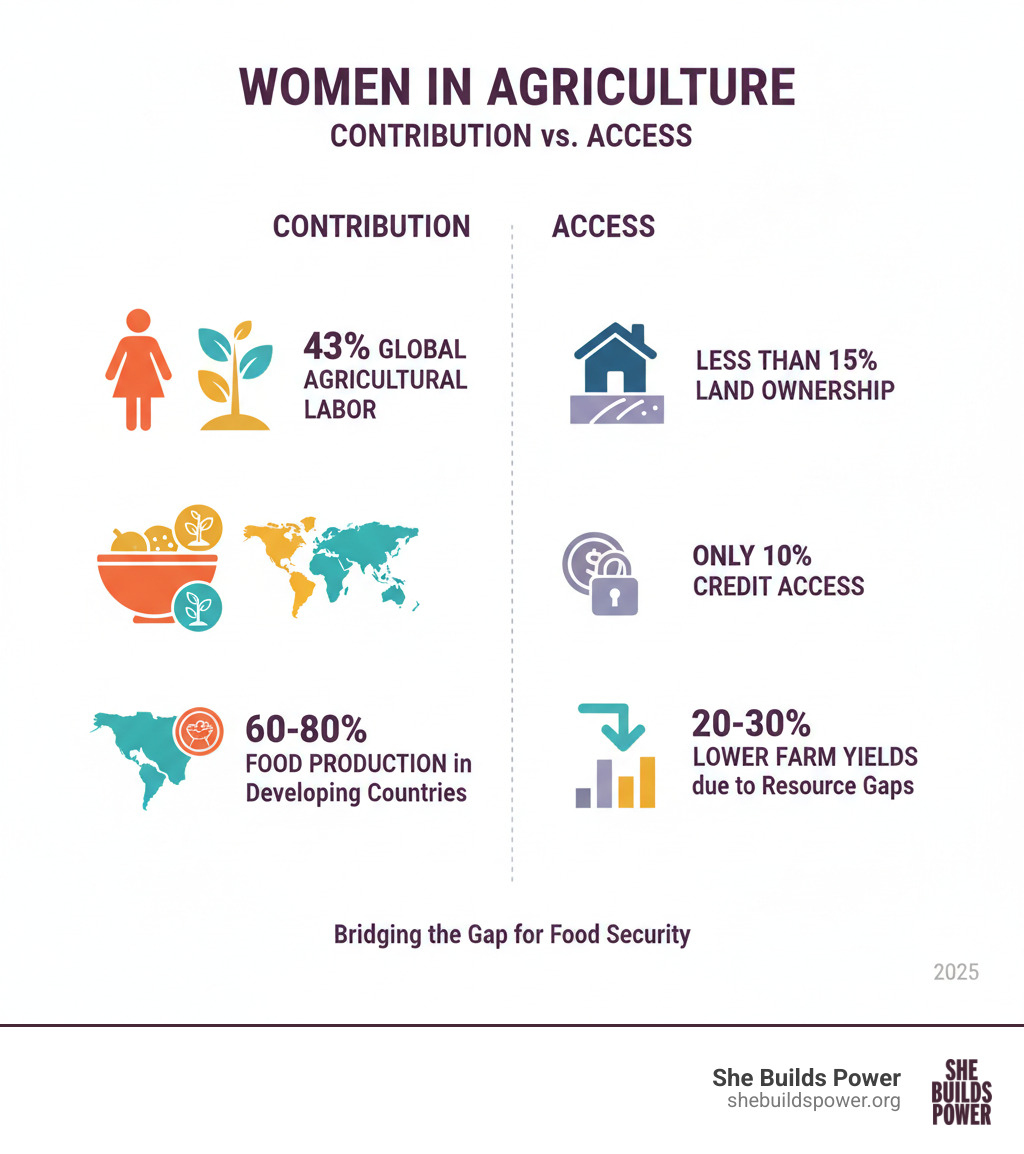
The importance of women in food security cannot be overstated. Women produce 60-80% of household food in developing countries, yet own less than 15% of agricultural land worldwide. This contradiction is both a critical challenge and an extraordinary opportunity.
Quick Facts: Women’s Role in Global Food Security
- Agricultural workforce: Women represent 37% globally (48% in low-income countries).
- Food production: Women produce half of the world’s food supply.
- Small-scale farming: Nearly 50% of the world’s 600 million small-scale livestock farmers are women.
- Chronic hunger: 60% of the world’s chronically hungry people are women and girls.
- Potential impact: If women had equal access to resources, farm yields could increase 20-30%, reducing global hunger by 17%.
With 795 million people worldwide chronically undernourished, women are not just affected by this crisis—they are central to solving it. As producers, processors, and marketers, women are the backbone of rural agriculture, yet they face profound barriers like limited land ownership and access to credit.
The gap between women’s contributions and their access to resources is a massive missed opportunity. Closing this gap could increase farm yields by 20-30%, boost agricultural output in developing countries by up to 4%, and reduce global hunger by 17%. Beyond production, women reinvest 90% of their income back into their families, improving child nutrition, health, and education.
I’m Gemma Bulos, and through She Builds Power, I’ve trained over 12,700 women who have trained 34,000+ more in integrated systems for water, food, and finance. I’ve seen the transformative importance of women in food security firsthand. This article will show why investing in women is the most effective strategy for feeding the future.
The Backbone of Global Agriculture: Women’s Current Role
In rural Kenya, Uganda, and across much of the developing world, the true heartbeat of agriculture is the steady, skilled work of women. They aren’t just helping on farms; in many cases, they are the farm, woven into every stage of how food moves from soil to stomach.
_compressed.JPG?alt=media&token=a233169d-0c6d-4ac2-8ac4-fabb3082edff "woman tending to small-scale livestock - importance of women in food security")
The numbers tell a powerful story. Women make up 43% of the global agricultural labor force, a figure that jumps to 48% in low-income countries and up to 80% in some Sahelian nations. In sub-Saharan Africa, where She Builds Power works, agriculture is even more central to women’s livelihoods than men’s. Women produce 60-80% of household food in developing countries and half of the food produced globally. They also comprise nearly 50% of the world’s 600 million small-scale livestock farmers and about half the workforce in small-scale fisheries.
Yet, much of this work is unpaid or poorly paid, systematically undervaluing the labor that keeps people alive. You can explore more about these contributions and challenges in these facts and figures on women’s economic empowerment.
From Seed to Table: A Multifaceted Contribution
In communities like Siaya County, Kenya, and Butambala District, Uganda, women’s roles are remarkably diverse. They are:
- Producers: Cultivating crops and managing family plots.
- Processors: Grinding grains, drying produce, and preserving harvests to extend food availability.
- Marketers: Transporting goods to local markets and negotiating prices to earn vital income.
- Household Nutrition Managers: Planning and preparing meals, directly shaping the health of the next generation.
- Guardians of Biodiversity: Saving seeds and preserving traditional knowledge of diverse, resilient crops.
Understanding these multifaceted contributions is the first step toward recognizing why the importance of women in food security is a global imperative.
The “Grass Ceiling”: Barriers Hindering Women in Agriculture
Despite their indispensable role, women in agriculture face a “grass ceiling”—a set of systemic barriers that keeps them from reaching their full potential. This isn’t about capability; it’s about inequality. The result is that farms run by women often report 20-30% lower yields than those run by men, not because they are less skilled, but because they lack equal access to resources.
Understanding the importance of women in food security means understanding and breaking down these barriers.
Land Rights and Financial Exclusion
Women own less than 15% of agricultural land worldwide. In places like Uganda and Kenya, discriminatory laws and norms often exclude women from land ownership. Without secure tenure or land titles, women cannot invest in their farms with confidence or use land as collateral for loans. This severely limits their access to credit, with only about 10% of credit allowances extended to women where data is available. This lack of finance prevents them from buying better seeds, fertilizers, or equipment, trapping them in a cycle of low productivity.
The Double Burden: Unpaid Care and Social Norms
Women farmers often work two full-time jobs: their agricultural labor and their unpaid domestic duties. Women perform almost two and a half times as much reproductive work as men, including cooking, cleaning, childcare, and fetching water. This time poverty directly impacts their farming productivity. Furthermore, harmful beliefs about women’s capabilities and the reality of gender-based violence in the agricultural sector create additional, significant barriers.
Gaps in Education, Technology, and Training
Educational disparities create significant problems. In 2020, only 53% of women in low-income countries were literate, compared to 69% of men, limiting their ability to access written information. The digital divide also leaves women behind, as they are less likely to own mobile phones or use mobile internet for market prices and weather forecasts. Critically, only 5% of agricultural extension services specifically target rural women, meaning the training that could transform their productivity rarely reaches them. The problem isn’t capability—it’s access.
The Amplifying Effect of Crises
When crises like climate change, economic shocks, or pandemics hit, women bear the brunt. Women depend more on natural resources but have less control over them, making them more vulnerable to droughts and floods. The disproportionate effect of climate change on women could push up to 158 million more women and girls into extreme poverty by 2050. Economic shocks also hit harder; during the first year of the COVID-19 pandemic, 22% of women lost jobs in off-farm agri-food systems, compared to only 2% of men. When systems fail, women and girls, who already account for 60% of the world’s chronically hungry, suffer first.
The Critical Link: Why the Importance of Women in Food Security Cannot Be Overstated
When we shift from seeing women as victims to recognizing them as solutions, everything changes. The importance of women in food security is about leveraging our most powerful tool for ending hunger. Gender equality in agriculture is the cornerstone of creating resilient food systems that can weather climate shocks and sustain communities.
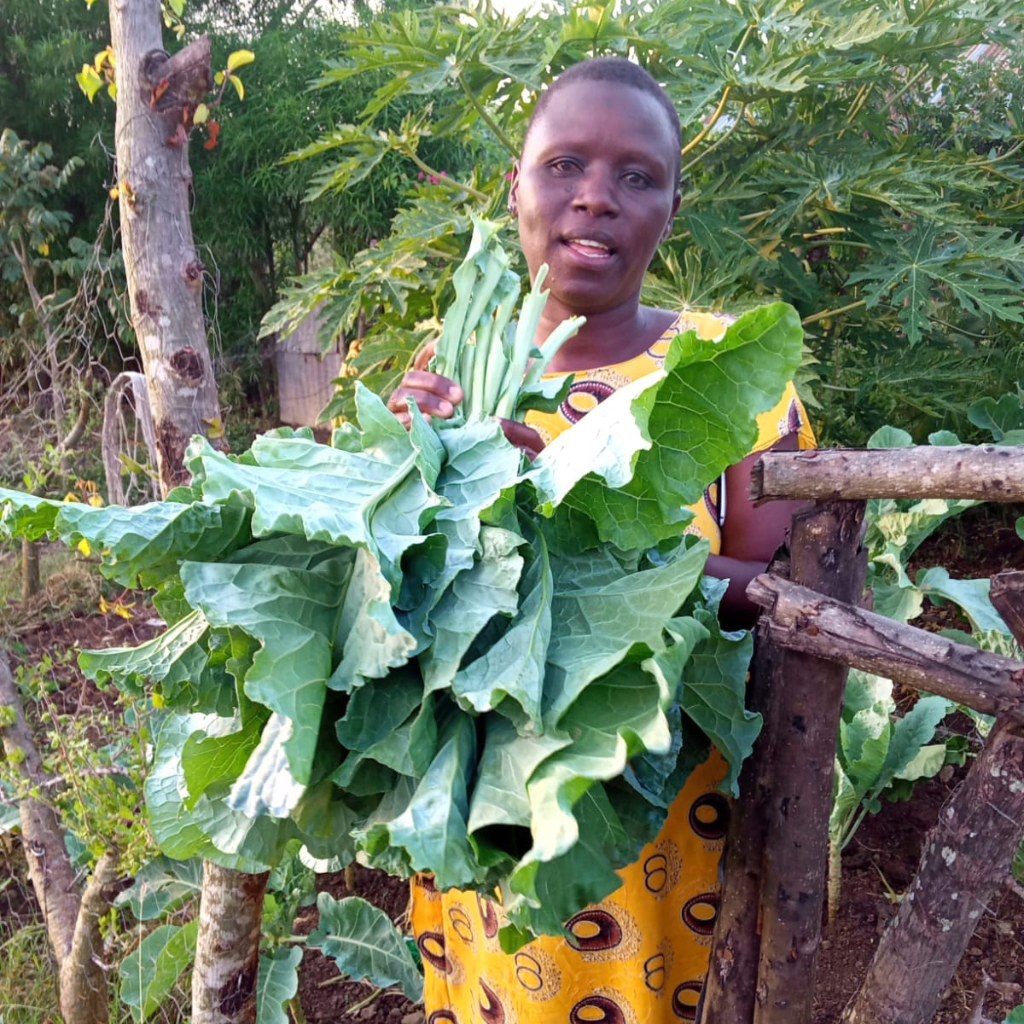
Quantifying the importance of women in food security: Economic and Social Gains
The numbers are staggering. If women farmers had the same access to resources as men, their farm yields would jump by 20-30%. This single change would increase total agricultural production in developing countries by 2.5-4%, leading to a 17% reduction in the number of hungry people worldwide. Economically, closing the gender gap in farm productivity and wages could boost global GDP by nearly USD 1 trillion. This isn’t just abstract growth; it’s fuel for development and poverty reduction in communities like Siaya County and Butambala District.
Understanding the importance of women in food security at the household level
The impact is clearest at home. Women reinvest at least 90% of their income back into their households, funding better food, healthcare, and education. This directly improves child nutrition and well-being. When women have more decision-making power, the entire family benefits from more sustainable farming practices, improved food security, and greater resilience to crises. As our partners at USAID have documented in their guidance on gender and nutrition, empowering women is the most effective path to food security.
Cultivating Change: Strategies for Empowering Women Farmers
Real change requires a multi-level approach, from government policies to grassroots training. This isn’t about charity; it’s about removing the barriers that have kept women from using their full strength. When we do, the importance of women in food security shifts from potential to reality.
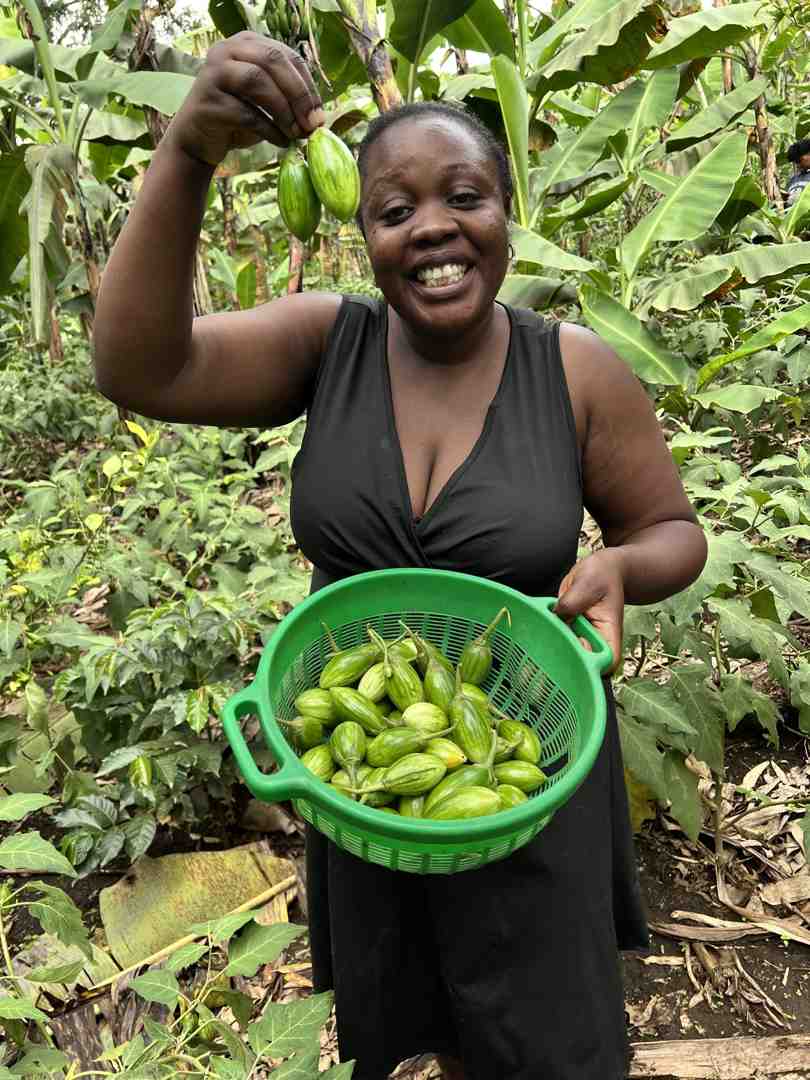
Policy Reforms and Global Goals
Supportive laws are the foundation for change. Securing land rights is paramount, as it enables women to invest, access credit, and plan for the future. This aligns with Sustainable Development Goal 5.a.1, which targets equal ownership over land and financial services. We also need gender-responsive policies and social protection systems that are intentionally designed to include and support women farmers, with strong legal frameworks to ensure these rights are enforced.
The Power of Producer Organizations and Partnerships
Working together, women farmers gain collective bargaining power to negotiate fair prices and share resources. These organizations also create invaluable support networks. Private sector partnerships, like those with companies working with women farmers in Bangladesh, can be transformative when they provide targeted training, fair wages, and genuine market access, benefiting both the women and the companies.
Grassroots Empowerment Through Training
This is where policy translates into practice. At She Builds Power, we see how targeted training transforms lives. Key areas include:
- Financial literacy: To manage money, save, and access credit wisely.
- Sustainable agricultural practices: To conserve resources, adapt to climate change, and ensure long-term productivity.
- Leadership skills development: To empower women to advocate for their needs and lead in their communities.
- Technology adoption: To access tools and information, like mobile apps for market prices, that improve efficiency and profitability.
The beauty of this training is its ripple effect. Our 12,700 trained women have gone on to train 34,000+ more, amplifying the impact far beyond our initial investment.
Frequently Asked Questions about Women in Food Security
Here are answers to common questions about the importance of women in food security.
Why do farms run by women often have lower yields?
The 20-30% yield gap has nothing to do with farming skills. It’s caused by a massive gap in access to resources. Women farmers are often denied land ownership, which prevents them from getting loans for quality seeds, fertilizers, or tools. They are also frequently excluded from training, technology, and crucial market information. The gap is a result of inequality, not capability.
What percentage of the world’s food is produced by women?
Women produce half of the world’s food supply. In developing countries, this figure rises significantly, with women responsible for 60-80% of household food production. They are the backbone of global food security, yet they own less than 15% of agricultural land worldwide.
What is the biggest economic benefit of closing the gender gap in agriculture?
The economic impact is staggering. Closing the gender gap in farm productivity and wages could increase global GDP by nearly USD 1 trillion. Even more importantly, this would reduce the number of hungry people in the world by up to 17%. Empowering women isn’t just a social good; it’s the most effective economic strategy we have for feeding the world.
Conclusion
The importance of women in food security is undeniable. Women are the backbone of global food production, yet they face systemic barriers that limit their potential and perpetuate hunger. The challenges of insecure land rights, financial exclusion, and the double burden of labor are significant, but they are not impossible.
Empowering women farmers is the most strategic pathway to building resilient food systems. When women have equal access to resources, farm yields increase, family nutrition improves, and economies grow. Closing the gender gap could reduce global hunger by 17% and add nearly $1 trillion to the global economy.
At She Builds Power, we see this change firsthand. Our integrated approach to water, food, and finance helps women build systems that uplift entire communities. The 12,700 women we’ve trained have empowered 34,000 more, proving that when you invest in a woman, she builds a better future for everyone.
When women lead, communities thrive. Investing in women is investing in a food-secure world. If you’re ready to be part of this change, we invite you to join us. Learn more about our approach to empowering women and help us create a more equitable future for all.