The Mighty Impact of Women Led Microenterprise
Beyond the Surface: Defining the Women Led Microenterprise
#
When you support women led microenterprise, you invest in a future where communities thrive. These powerful ventures are more than just small businesses; they are vital engines for lasting change.
Here’s why investing in women-led microenterprises creates mighty impact:
- Economic Growth: They drive local economies and create essential jobs, especially in low-income regions.
- Community Resilience: Women reinvest their earnings into their families and communities, boosting health, education, and nutrition.
- Systems Change: They build sustainable solutions, transforming access into agency and driving long-term development.
- Unlocking Potential: Bridging the $1.7 trillion global finance gap for women can add trillions to the global economy.
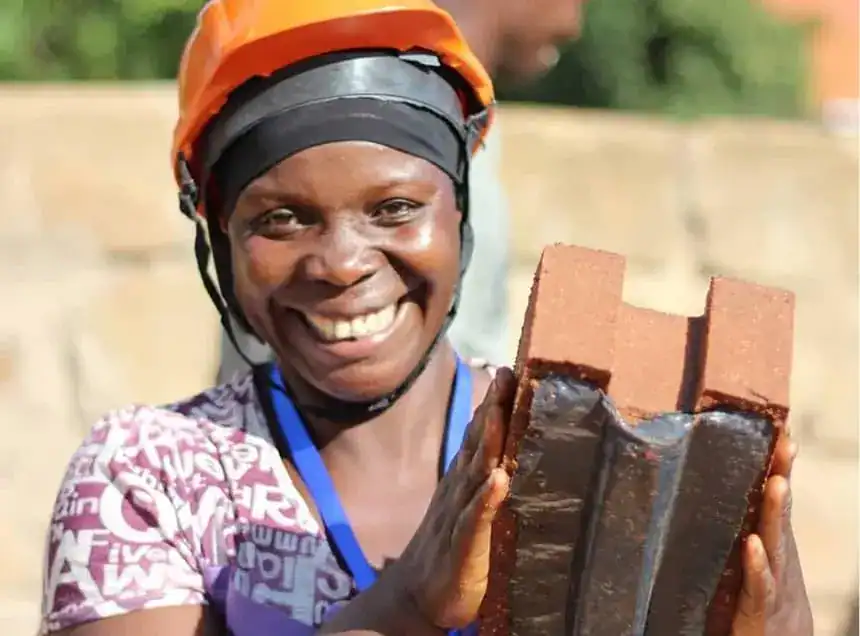
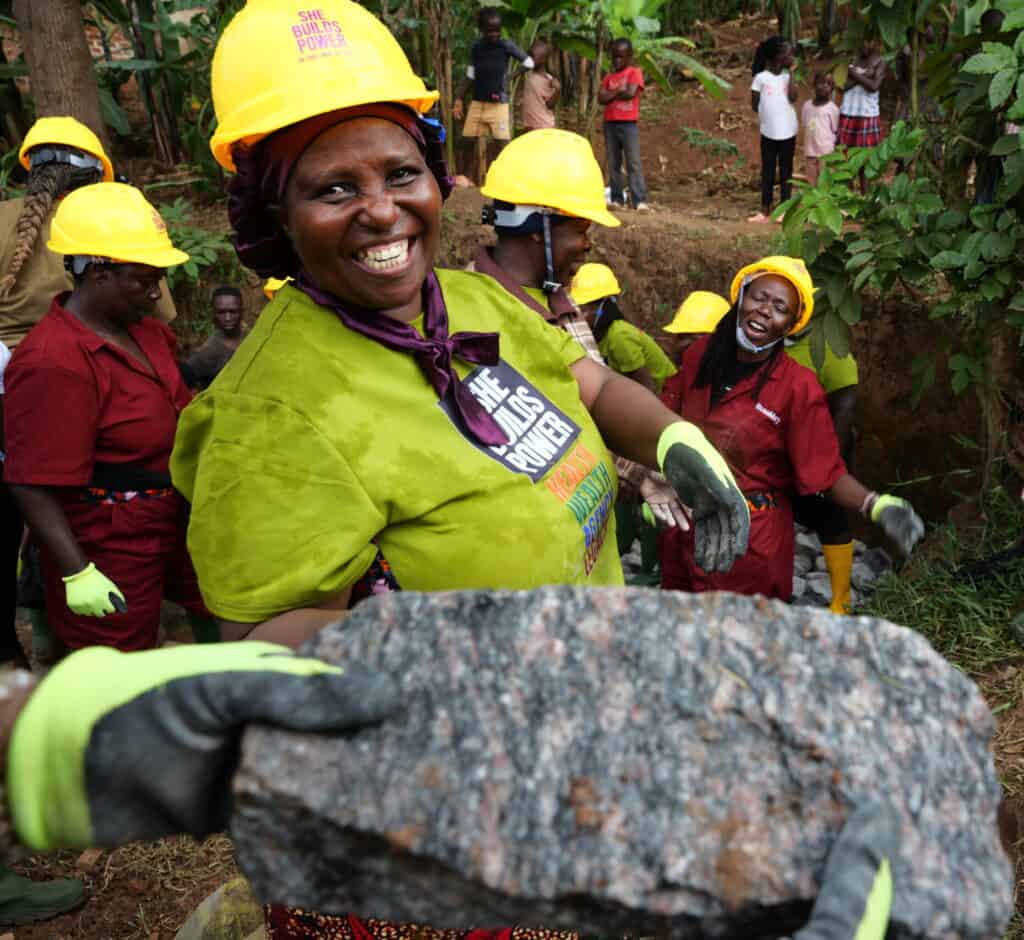
Women led microenterprises are a powerful, often overlooked force. They are not just participating in the economy; they are reshaping it from the ground up. These women are innovators, job creators, problem-solvers and basic essentials providers (water, food, access to capital). They build power, not just profit. They turn scarce resources into thriving ventures, strengthening their families and entire communities.
As we know at She Builds Power, women are not a “vulnerable population.” They are an underestimated force. They are not the problem. They are the solution hidden in plain sight. They tackle challenges like water scarcity, food insecurity, and financial exclusion with fierce determination and practical solutions.
I’m Gemma Bulos, and for years, I’ve seen the transformative power of women led microenterprise. Through She Builds Power, we train women to build and lead integrated community systems that bridge clean water, sustainable food, and local finance, proving women are the architects of generational health and wealth.

To truly support women, we have to stop looking at “small business” as a monolith. In the vibrant markets of Kenya and the rural districts of Uganda, the landscape is filled with diverse ventures that often go unseen by formal banks. We distinguish between “nano” and “micro” enterprises to better understand the unique pressures these women face.
A women led microenterprise typically involves a small team and a bit more capital, while a “nano-enterprise” is often a solo endeavor—think of a woman selling produce at a roadside stand or running a small tailoring shop from her home. Despite their size, these are the “invisible engines” of the economy. In many regions, the informal economy is the only economy for the majority of the population.
Research into Uganda’s Unseen Hands shows that these enterprises are critical for livelihood security. They aren’t just “hobbies”; they are survival and growth strategies.
| Characteristic | Nano-Enterprise | Micro-Enterprise |
|---|---|---|
| Employee Count | Usually 0 (Owner-operated) | 1 to 10 workers |
| Capital Needs | Very low ($50 – $500) | Moderate ($500 – $5,000) |
| Formality | Almost entirely informal | Transitioning to registered businesses |
| Market Reach | Immediate neighborhood | Local and regional markets |
The Diversity of Women Led Microenterprise Segments
We cannot design solutions for women if we don’t recognize their diversity. According to the Segmentation of Women-Led Nano and Micro-enterprises framework, we should look at eight key dimensions: enterprise size, entrepreneurial mindset, capabilities, household responsibilities, business sophistication, network access, sector, and geographic location.
For example, a woman in Bukoba running a poultry business has different needs than a woman in Kakamega District managing a water kiosk. Some are “necessity entrepreneurs” driven by the need to feed their children today, while others have a “growth mindset,” looking to scale and hire others. Understanding these segments allows us to move beyond “pinkwashing”—generic services that don’t actually work—and toward tailored financial and non-financial support that builds real power.
Scaling the Impact of a Women Led Microenterprise
When a woman succeeds, she doesn’t just buy a new dress; she hires her neighbor, pays school fees for her children, and invests in better nutrition and homestead for her family. This is the ripple effect of community resilience. Kenya’s Quiet Catalysts highlights how these businesses are essential for achieving Sustainable Development Goals (SDGs) like poverty reduction and gender equality.
By focusing on market-based solutions rather than temporary aid, we ensure that these businesses become permanent fixtures of the local economy. They aren’t just creating jobs; they are fostering local leadership and economic sovereignty.
Breaking the Barriers to Female Entrepreneurial Power
Despite their potential, women face a staggering $1.7 trillion global finance gap. This isn’t because women are “risky” borrowers—in fact, microfinance data shows women often have higher repayment rates than men. The problem lies in structural barriers: harmful social norms, mobility constraints, lack of collateral, and a persistent digital divide.
In many places, women still face rules and social norms that limit their control over land, savings, and other assets banks often demand as collateral. In patriarchal societies, women need permission from their husbands to apply for a loan. They are barred from owning land or assets, which are the very things banks require as collateral. Regulatory gaps also mean that even when laws change on paper, they aren’t always implemented on the ground.
At She Builds Power, we tackle these hurdles through our finance pillar, focusing on transforming access to capital into true agency. And even when policy improves, weak enforcement can leave those barriers firmly in place. She Builds Power works to close that gap, helping turn financial access into real decision-making power.
Household Dynamics and the Returns on Capital for a Women Led Microenterprise
One of the most fascinating (and frustrating) findings in recent research is why women sometimes show lower returns on capital than men. It’s not about ability; it’s about household dynamics. Scientific research on returns to capital suggests that in households with multiple entrepreneurs, resources are often diverted from the woman’s business to the husband’s business.
When a woman is the sole business owner in the house, her returns on capital are often comparable to or even higher than those of men. This “resource diversion” is a structural challenge that requires more than just a loan—it requires social capital and community-wide shifts in how we value women’s labor. By building solidarity groups, we help women protect their investments and ensure that the profits they generate stay under their control.
Integrated Solutions: Unlocking Capital and Agency
To unlock the full potential of a women led microenterprise, we need a holistic package. This means combining seed capital with vocational training and peer mentorship. In Uganda, initiatives like Uganda’s Unseen Hands have shown that when women receive training tailored to their specific business sophistication, their chances of success skyrocket.
We don’t just give a woman a fish, or even just a net; we help her own the pond and the distribution network. This is the heart of our pillars of power. By integrating financial literacy with leadership training, we ensure women aren’t just participating in a system—they are designing it.
Digital Inclusion and Market Linkages
The digital revolution is a game-changer for women who face mobility constraints. Mobile money and fintech allow a woman in a remote village to receive payments, track her expenses, and access credit without having to travel for hours to a physical bank.
Digital platforms also provide essential market linkages. Instead of being limited to the customers who walk past her stall, a woman can use e-commerce tools to reach a much wider audience. This increases her operational efficiency and allows her to integrate into larger supply chains, moving her business from “survival mode” to “growth mode.”
The Systems Approach to Long-Term Resilience
At She Builds Power, we believe that you cannot solve financial exclusion in a vacuum. A woman cannot run a successful food business if she spends six hours a day fetching water. This is the Water-Food-Finance nexus.
When we provide clean water access, we free up a woman’s time. When we provide hand made health and hygiene products, and agricultural training, we ensure she has a products to sell. And when we provide micro-finance, we give her the capital to grow. This integrated approach is what builds long-term resilience. We are moving away from fragmented aid and toward economic sovereignty, where women lead the systems their communities rely on.
Frequently Asked Questions about Women-Led Microenterprises
Why do women-led microenterprises often show lower returns on capital?
It’s rarely about the woman’s skill. Often, it’s due to household resource diversion. In many homes, the money a woman earns or borrows is redirected to her husband’s business or general household expenses, leaving her with less to reinvest in her own growth. When women have sole ownership and agency over their funds, their profitability gaps tend to disappear.
How does segmentation improve support for women entrepreneurs?
A “one-size-fits-all” approach fails the most vulnerable. By using an eight-dimension framework—looking at things like mindset, location, household responsibilities, access to markets, sphere of influence, and others —we can design tailored financial services. A woman running a subsistence farm needs different support than a woman running a high-growth retail shop.
What role does digital inclusion play in microenterprise growth?
Digital tools help women overcome mobility barriers and social constraints. Through mobile money and digital tracking, women can manage their finances securely and reach markets beyond her village. It’s a vital tool for closing the gender gap and ensuring women have the same opportunities as men to scale their ventures.
Conclusion
The mighty impact of a women led microenterprise is undeniable. These businesses are the bedrock of community resilience, but they need more than just a “helping hand.” They need a shift in power.
At She Builds Power, we aren’t interested in temporary fixes. We are building systems. We are transforming access into agency, ensuring that women in Kenya and Uganda have the tools, the training, and the capital to lead. When women lead, they don’t just build businesses; they build power for everyone.
Ready to be part of the change? Invest in Women-Led Finance today and help us turn local knowledge into global resilience.