The difference between one harvest and food security determines whether a community eats for one season or eats reliably across generations. Picture a community in rural Uganda bringing in a strong harvest. Grain bags are full. Groundnuts are spread to dry. For a brief window, the hard season feels finished. Three months later, the same families are rationing. Food ran out. Some of it rotted in poorly ventilated storage. Some was sold off quickly to cover debt at whatever price the market offered that week. The harvest happened. Food security did not.
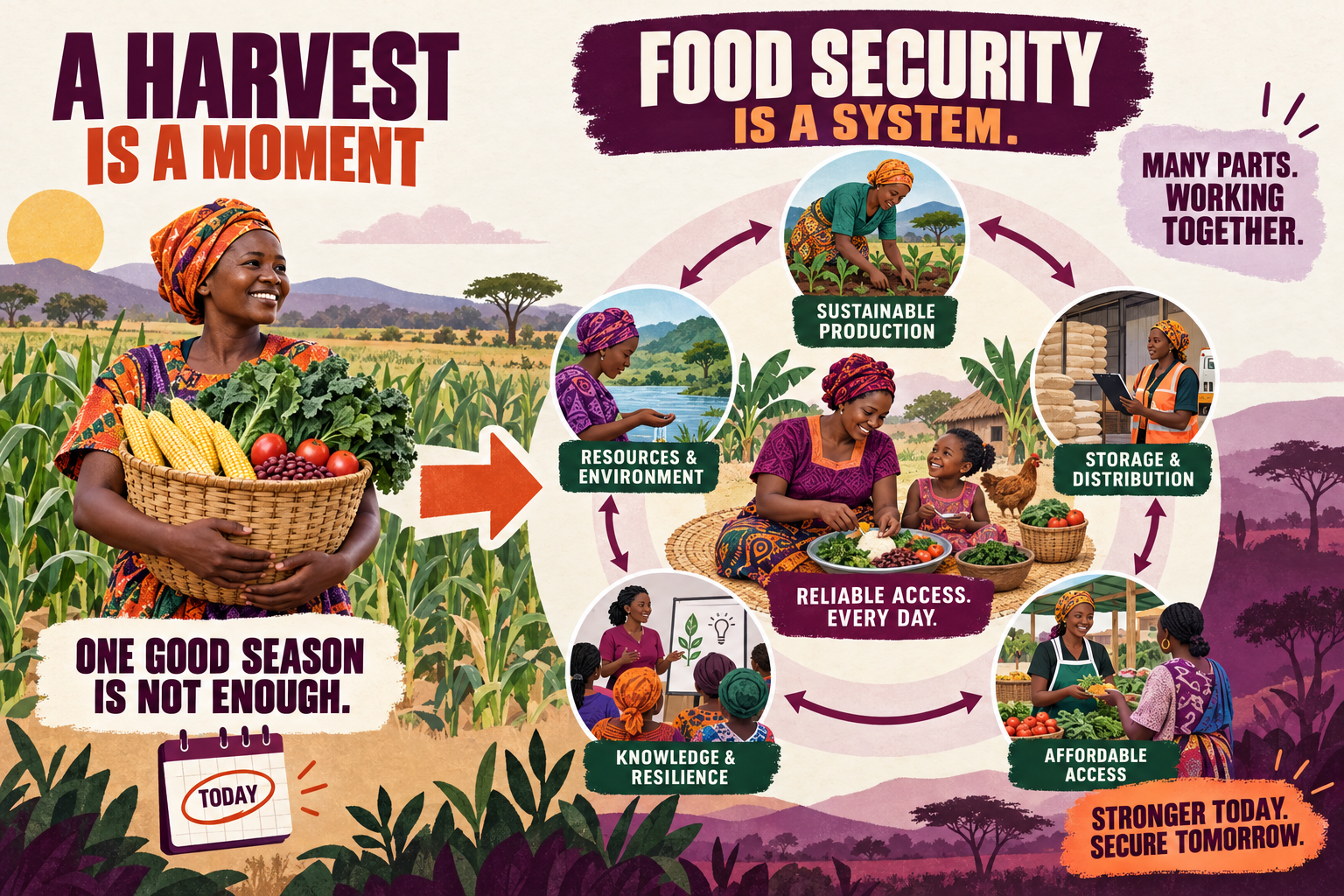
That gap is not a farming failure. It is a systems failure. The FAO defines food security as a continuous condition: all people, at all times, having physical and economic access to sufficient, safe, and nutritious food. Not just at peak season. Not just in a good growing year. At all times. A harvest addresses one variable in that equation. A system holds all the variables together, through dry spells, price shocks, floods, and the slow grind of lean months. Building that system is the actual work. .
What a Harvest Actually Measures, and What It Leaves Out
The most widely accepted framework for food security organizes around four dimensions: availability, access, utilization, and stability. A harvest addresses availability, and often only partially. It says food was produced this season. It says nothing about whether families can afford it, safely prepare it, or rely on it when rains fail, prices spike, or a child falls ill. Each dimension can collapse independently, which is why communities experiencing good production years still face chronic hunger.
Post-harvest loss is one of the most direct illustrations of how a system fails even when the land delivers. In East Africa, smallholder farmers lose roughly 10 to 25 percent of grain crops, and significantly higher shares of vegetables and horticultural produce, to spoilage, pests, and inadequate storage before food ever reaches a family’s table. (Loss rates in the grain range are documented across FAO and regional research; vegetable and horticultural losses are generally reported as higher, though region-wide figures vary by crop and season.) That loss does not appear in harvest tallies. It appears in hungry months, in children eating less than they need, in women stretching a shrinking supply across more meals than it was meant to cover.
The Choke Points That Turn Abundance into Scarcity
Every food system moves through stages: production, post-harvest handling, storage, transport, distribution, and household access. Each stage is a potential failure point. In communities with limited cold storage, poor road infrastructure, or volatile market prices, food loss compounds at every step. A family can grow more than enough in theory while consistently eating less than enough in practice. This is not an agricultural problem in isolation. It is a structural problem that reaches from the farm to the market to the kitchen.
Even when food reaches local markets, a deeper equity question remains: can families afford it, reach it, and use it well? Access barriers, including low household income, distance from markets, and gender-based restrictions on who controls purchasing decisions, prevent food from moving from supply to nutrition. Utilization failures compound the problem: unsafe water for cooking, limited nutrition knowledge, and inadequate sanitation mean that even adequate quantities do not translate into healthy outcomes. The resilience of any food system is only as strong as its weakest link, and those weakest links are often the ones furthest from policymakers’ desks, a pattern well documented in research on informal market chains and household-level food access across sub-Saharan Africa.
Why the Food Systems Approach Matters Here
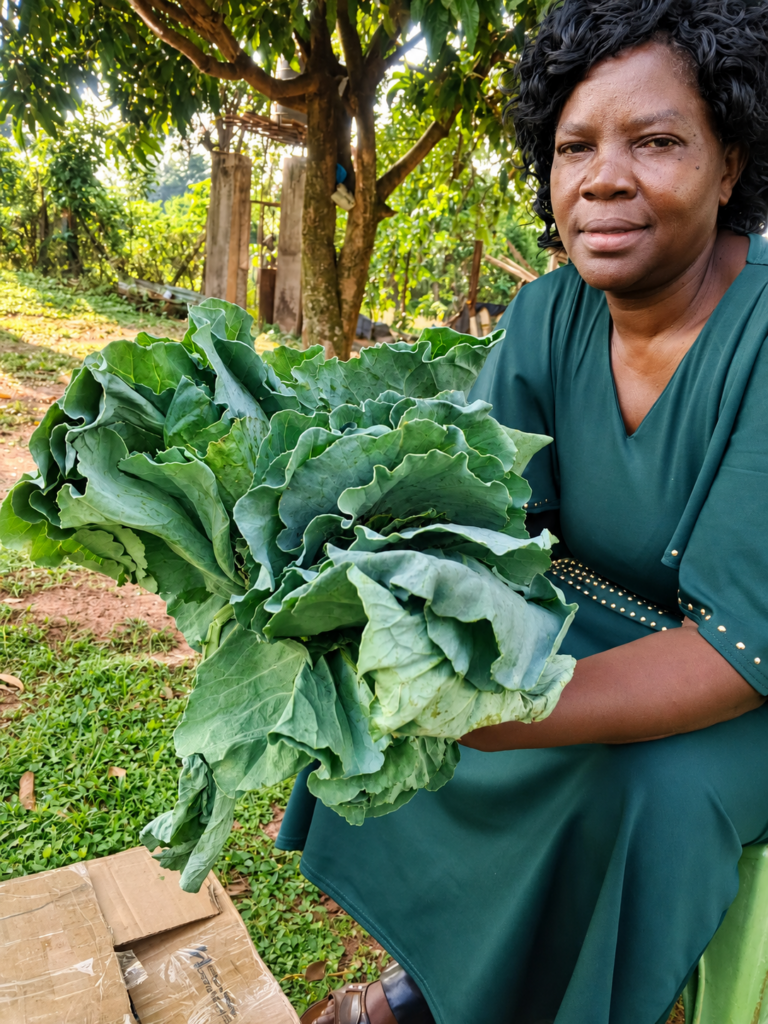
A food systems approach looks at all of these choke points together rather than treating each as an isolated problem. Food supply chain resilience, the ability of a system to absorb shocks at storage, transport, and market stages without leaving families hungry, is built by addressing these failure points simultaneously, not sequentially. That is the distinction between responding to a crisis and designing against one.
What a Resilient Food System Actually Looks Like
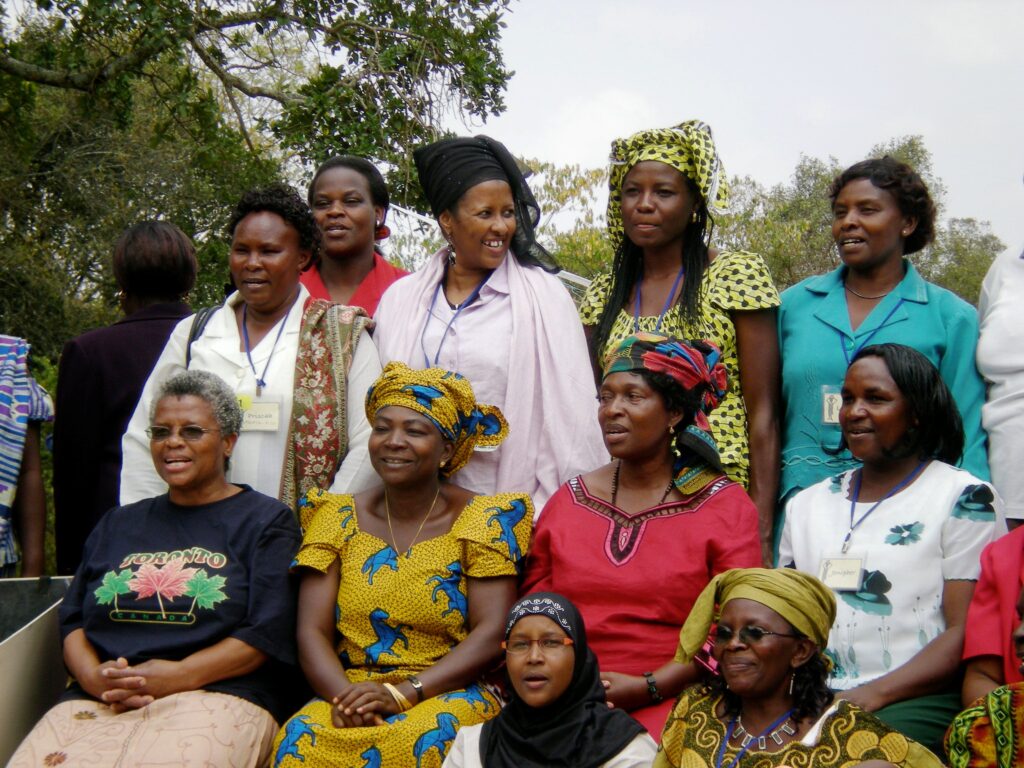
A functioning food system does not just produce. It stores, preserves, distributes, and adapts. Research from sub-Saharan Africa consistently links women’s control over agricultural resources to better household nutrition outcomes, higher rates of food reinvestment, and stronger community-level food security. When women manage the full food system, not just the growing but the storage, processing, selling, and saving, families eat better year-round. That evidence carries real weight, and it also comes with honest limits: most studies measure outcomes at the household level and over relatively short time horizons. What field experience in East Africa confirms, though, is the pattern.
Storage, Processing, and Finance as System Components
Climate-resilient farming practices adopted by women smallholders in Uganda illustrate the mechanism clearly. Crop diversification, drought-tolerant varieties, mulching, water harvesting, and improved post-harvest storage do not just raise yields. They reduce the severity of shocks and extend the buffer between harvests. Households have more than one crop, more than one season, and more than one source of income to rely on. Resilience is not a single innovation. It is a set of overlapping capacities that hold under pressure.
Finance is the component most commonly missing from this picture. Village savings and loan associations (VSLAs), microloans, and business development training give women the capital buffer to hold grain off the market until prices improve, invest in better storage infrastructure, and diversify into processed or value-added products. Food sovereignty, the ability of a community to define and control its own food system, grows from exactly this kind of layered capability.
How She Builds Power Approaches Food System Training
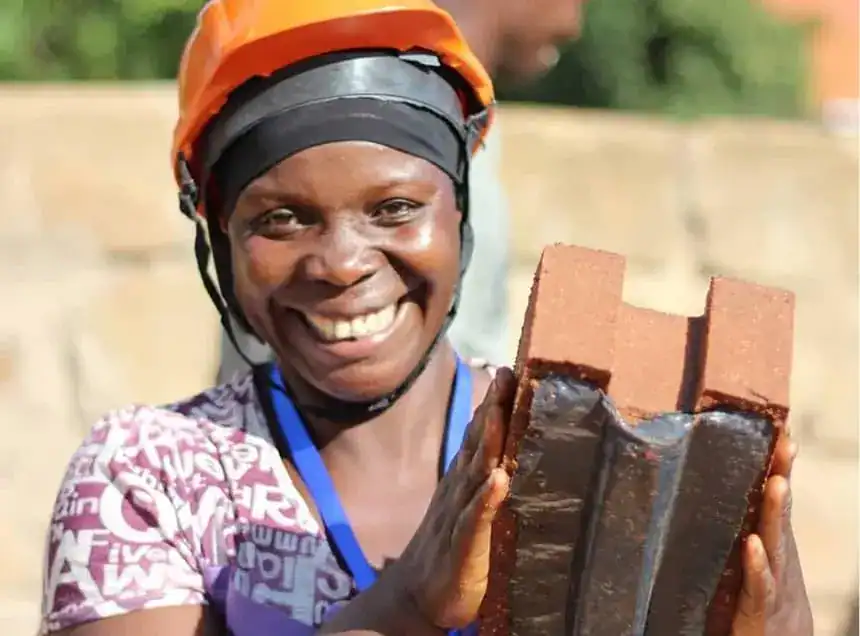
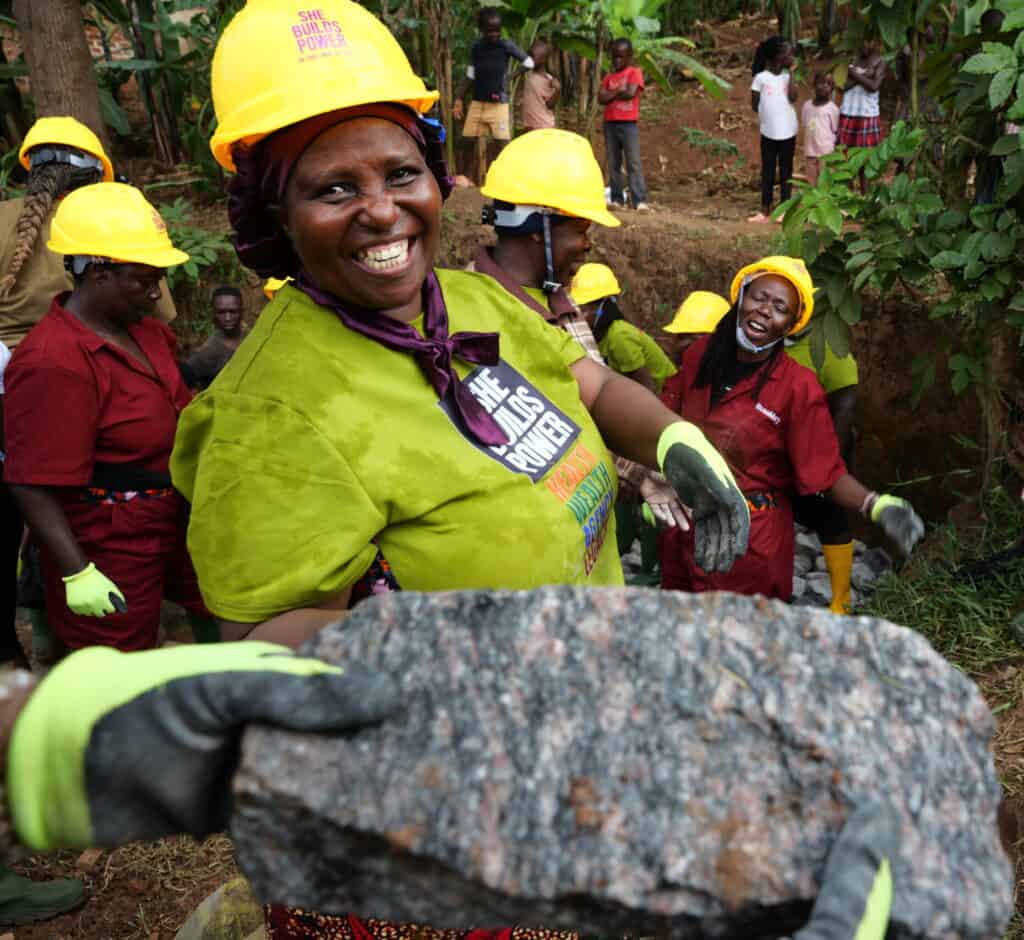
She Builds Power does not distribute food or run food drives. The organization trains women in East Africa to design and manage food systems that sustain their families and provide access to healthy food to their communities beyond any single season. That means working with women farmers and food entrepreneurs to build climate-resilient farms, develop local food enterprises, and access the kinds of financial tools, village savings and loan groups, microloans and seed grants,, and business development training, that the organization aims to support as part of its integrated food and agriculture programming.
Consider a women’s farming cooperative in Uganda that once sold surplus grain at low post-harvest prices because they had no storage and no capital to wait for better market conditions. Through integrated training, a composite pattern documented across She Builds Power’s program experience in East Africa, the women built grain storage capacity, formed a savings group, and began processing and selling value-added products rather than raw grain. Their food security did not improve because of one good harvest. It improved because they built a system capable of turning every harvest into sustained nourishment, income, and agency. That is the distinction between an event and a structure.
Why a Harvest Is an Event and Food Security Is a System
Seasonal food aid addresses one variable in one moment. Community-led food systems, built by women– who are at the center of food security–grow, process, store, sell, cook, and feed, address the full architecture of what makes food access reliable and self-renewing. The evidence suggests these approaches carry conceptual and practical advantages over purely external, seasonal interventions, though researchers note that long-term, head-to-head
comparisons remain limited, and outcomes depend heavily on the quality of implementation and local context.
The investment that lasts is the one made in people who are already running the system without recognition or resources. When those women are trained, resourced, and trusted with leadership, food security stops being a seasonal question and starts becoming a structural reality. To see how that investment works in practice, reach out to the She Builds Power team and explore the organization’s food and agriculture programs. The women building these systems are ready. The question is whether donors and partners are ready to build with them.
Frequently Asked Questions

Why is investing in women the best way to fight poverty?
Because women already manage the majority of food production, processing, and household nutrition decisions in East African communities. Giving them capital, storage infrastructure, and decision-making authority — rather than one-off aid — converts existing effort into a self-sustaining system, improving outcomes across nutrition, income, and household stability.

What does investing in women in global development look like in food security programs?
It means combining agricultural training with financial tools — savings groups, microloans, and business development support — so women can invest in storage, wait for better market prices, and build food enterprises, rather than simply producing more food each season.

How are female leaders in Africa changing food security outcomes?
Female leaders who manage the full food system — growing, storing, processing, and selling — are shown to improve household nutrition and community-level food security. Programs like She Builds Power train women to lead these systems directly, rather than supporting them as informal, unrecognized labor.

What is food sovereignty, and how does it relate to women-led poverty solutions?
Food sovereignty is a community's ability to define and control its own food system. It grows out of women having the storage capacity, capital, and market access to manage food production on their own terms — a core principle behind women-led poverty solutions.