You can feed a child and still fail to nourish them.
That sounds contradictory. It isn’t.
Food is essential. When a child does not have enough to eat, food is urgent. When a family cannot afford a nutritious diet, improving access to food matters enormously.
But malnutrition is not simply an empty-plate problem.
It is what happens when food, water, disease, sanitation, poverty, health and power collide.
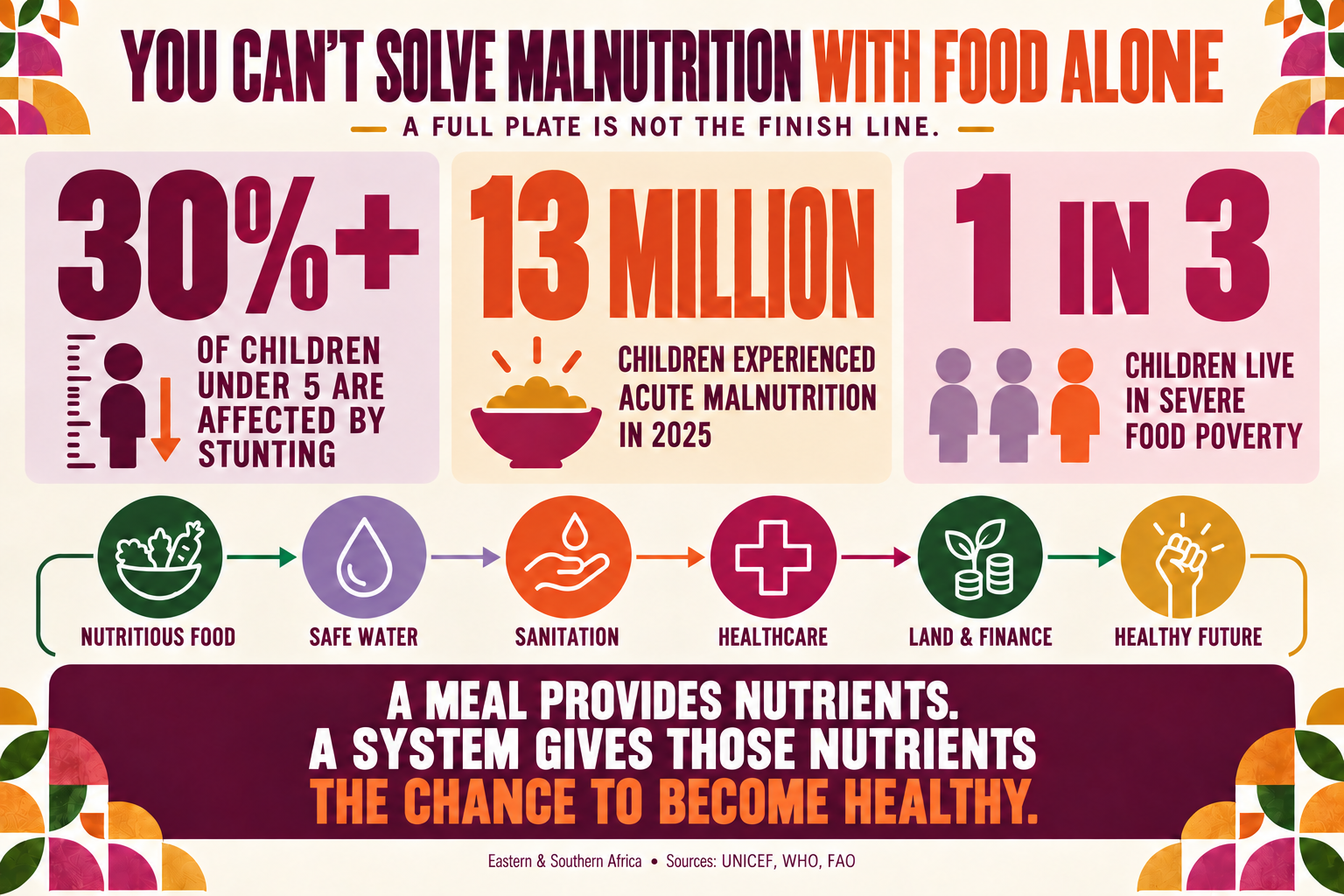
Across Eastern and Southern Africa, more than 30 percent of children under five are affected by stunting, a form of chronic malnutrition that can affect cognitive development, learning and long-term health. UNICEF identifies poverty, poor access to health and social services, food environments, care practices and gender inequalities among the underlying causes.
That is why food alone cannot solve malnutrition. A nutritious meal matters. But so do the conditions surrounding it.
Malnutrition is Bigger Than Hunger
We often use hunger and malnutrition as though they mean the same thing. They do not.
A person can consume enough calories and still lack essential nutrients. A family can produce food and still struggle to maintain a diverse diet throughout the year. A child can eat nutritious food and repeatedly lose nutritional ground through illness and disease.
In 2025, UNICEF estimated that almost 13 million children across Eastern and Southern Africa were experiencing acute malnutrition, including nearly four million with severe acute malnutrition. At the same time, one in three children in the region was living in severe food poverty, surviving on only one or two food groups a day.
Food access is clearly part of the problem. But it is not the whole problem.
WHO describes undernutrition as the result of multiple interacting factors and warns that no single intervention is likely to achieve lasting results. Its recommended approach connects nutrition with health, agriculture, water, sanitation, hygiene and community engagement.
That distinction matters enormously for how we think about food security in East Africa. Because if we diagnose malnutrition only as a shortage of food, we will keep designing solutions around what goes onto the plate while overlooking everything that determines what happens next.
How Does Clean Water Affect Nutrition?
Consider drinking water. We don’t usually think of it as part of nutrition, but the two are closely connected in ways that aren’t always obvious.
A child may be eating nutritious food every day. But if that same child is regularly exposed to contaminated water, their body may not be able to make full use of the nutrition that food provides.
Contaminated water can expose children to pathogens that cause diarrhoeal disease and other intestinal infections. Repeated illness can reduce appetite, interfere with the absorption of nutrients and cause the body to lose nutrients it needs for growth.
WHO identifies diarrhoea as a major cause of malnutrition in children under five. In low-income countries, repeated episodes can deprive children of nutrition needed for growth, while children who are already malnourished are more vulnerable to severe illness.
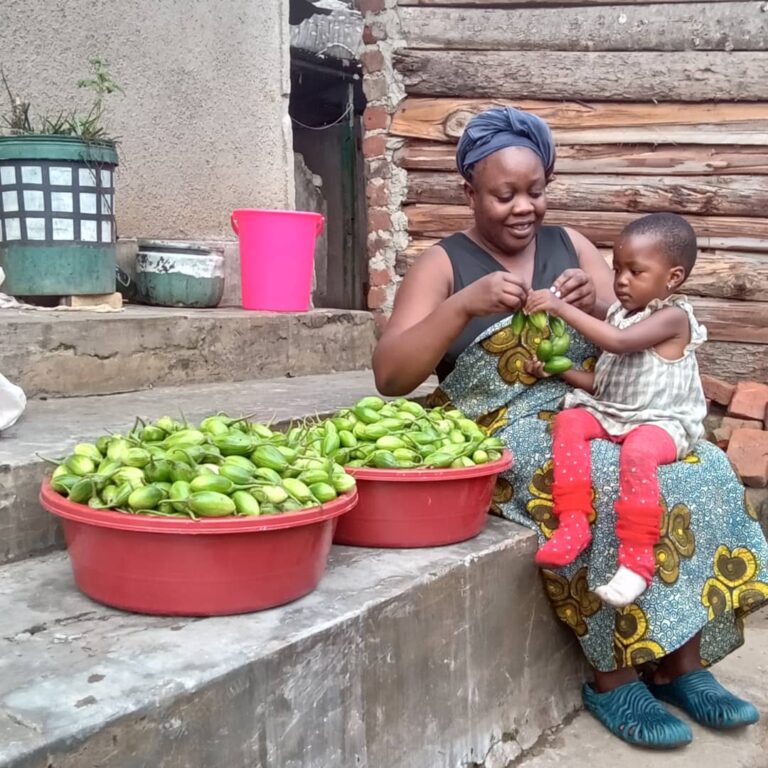
It becomes a vicious cycle: Poor nutrition increases vulnerability to illness. Illness makes poor nutrition worse.
This is one answer to the question, how does clean water affect nutrition?
Clean water is not a nutrient. It does something equally fundamental: it helps create the conditions in which the body can benefit from the nutrients food provides.
Safe water supports drinking and food preparation. Sanitation reduces exposure to pathogens. Hygiene can reduce transmission of diarrhoeal disease. Reliable water can also make household food production more feasible where water is available for growing.
None replaces food. But food does not replace them either. A garden is not a sanitation system. A well is not a meal. A loan is not a vegetable. Yet whether families have reliable access to each can determine how well the others work.
The First Nutrition System is the Household
There is another part of the equation that receives far less attention:
Who controls the resources? Who decides what food is grown? Who decides what is purchased? Who has access to land? Who has money available when food prices rise? Who knows how to produce food differently when rainfall changes? And who has the authority to act on that knowledge?
These are nutrition questions, too.
The Food and Agricultural Organization (FAO) reports that women’s empowerment—including greater access to resources and decision-making—is associated with improvements in agricultural production, food security, diets and child nutrition. Women’s influence over household spending is also associated with better nutrition, education, health and household wellbeing.
This is one reason women-led poverty solutions matter so much. Not because women should carry even more responsibility for feeding families. They already carry an enormous share of that responsibility. The opportunity is to make sure they also have greater access to the land, knowledge, capital, tools and decision-making power that allow them to act.
That is a very different proposition.
One Garden Shows Why the Systems Matter
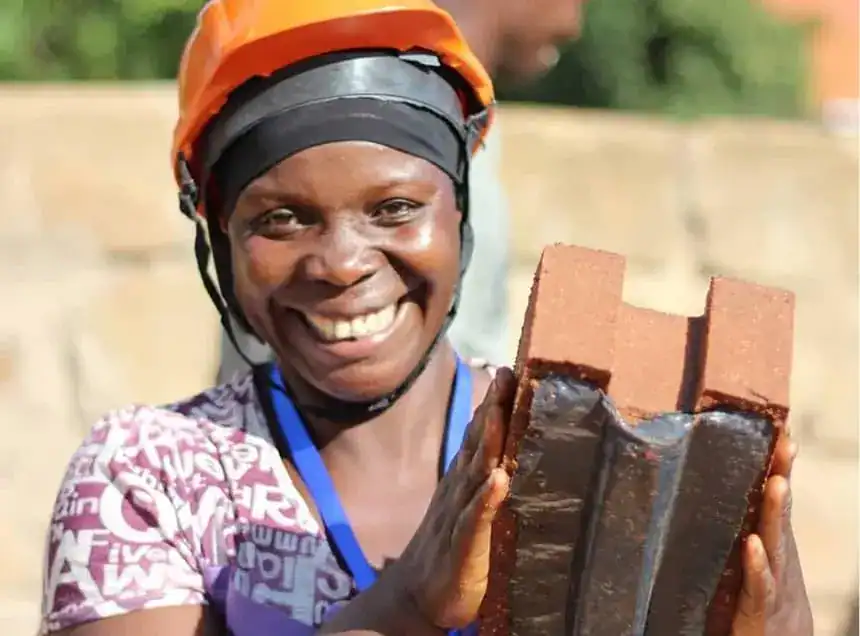
We see a small example of this in Isabella’s experience with She Builds Power.
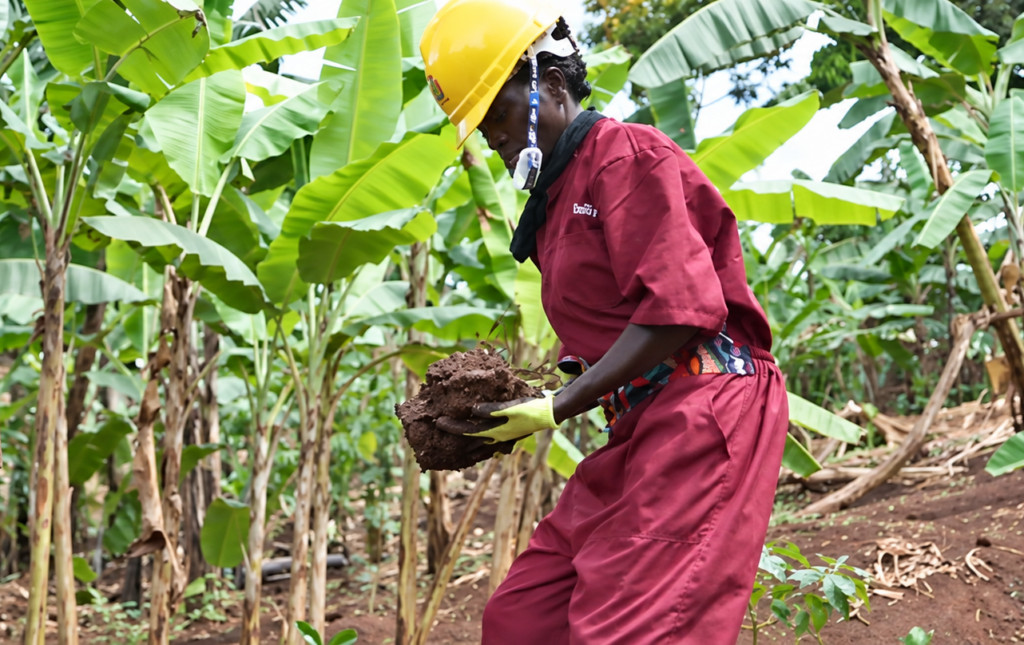
Isabella had very little space around her home and believed farming was something available to people with larger plots of land. Through regenerative agriculture training she learned from She Builds Power, she was able to build a compact cone garden. She began growing kale, spinach, spring onions and traditional vegetables beside her house.
The immediate change was straightforward: her household gained easier access to fresh vegetables. But another change happened alongside it.
Money previously spent buying some vegetables could be used for other household needs. Isabella also had access to a Village Savings and Loan Association, giving her a financial pathway to act on what she had learned. Neighbors began coming to her for advice, and she started sharing the practice with other women.
Notice what we are not claiming. We have not measured changes in Isabella’s family’s nutritional status. We do not yet have enough evidence to quantify changes in dietary diversity. Although cone gardening is designed as a water-efficient practice, Isabella’s actual water use has not yet been documented.
That is important. The lesson is not: give a woman a cone garden and malnutrition disappears. The lesson is almost the opposite.
There was no single intervention.
Knowledge mattered. Food production mattered. Small-scale finance mattered. Available space mattered. Isabella’s ability to decide what to do mattered. And the knowledge remaining within the community mattered. The garden was one piece of a much larger system.
This Changes How We Think About the Impact of Donating to Up-Powering Women
For supporters asking about the impact of donating to up-powering women, this distinction is important. A donation can buy something tangible: seeds, tools, training, water infrastructure or capital.
Those things matter.
But the deeper question is whether that investment leaves a woman with greater capacity to make decisions, access resources and respond to the next challenge.
If investment helps a woman grow food but she still lacks reliable water, the system remains fragile.
If she gains agricultural training but has no access to land or capital, knowledge has nowhere to go.
If a community gains water but women remain excluded from decisions about how resources are managed, an important source of local expertise remains untapped.
This is why effective investment in women cannot simply mean placing resources into women’s hands and declaring victory.
It means strengthening the conditions that allow their knowledge, capability and leadership to become usable.
Poverty Does Not Happen in Silos
This is the larger lesson. Development often organizes problems into neat sectors.
Water. Food. Health. Finance. Gender. Livelihoods.
Real life has apparently declined the invitation to organize itself accordingly.
A mother deciding what her family will eat tonight may simultaneously be thinking about rainfall, school fees, the price of vegetables, a sick child, her savings-group payment, the distance to water, the condition of the soil and whether there will be enough left to sell at market.
Those are not seven separate problems to her. They are her Tuesday.
And that is why the most durable women led poverty solutions often connect systems rather than treating one symptom at a time.
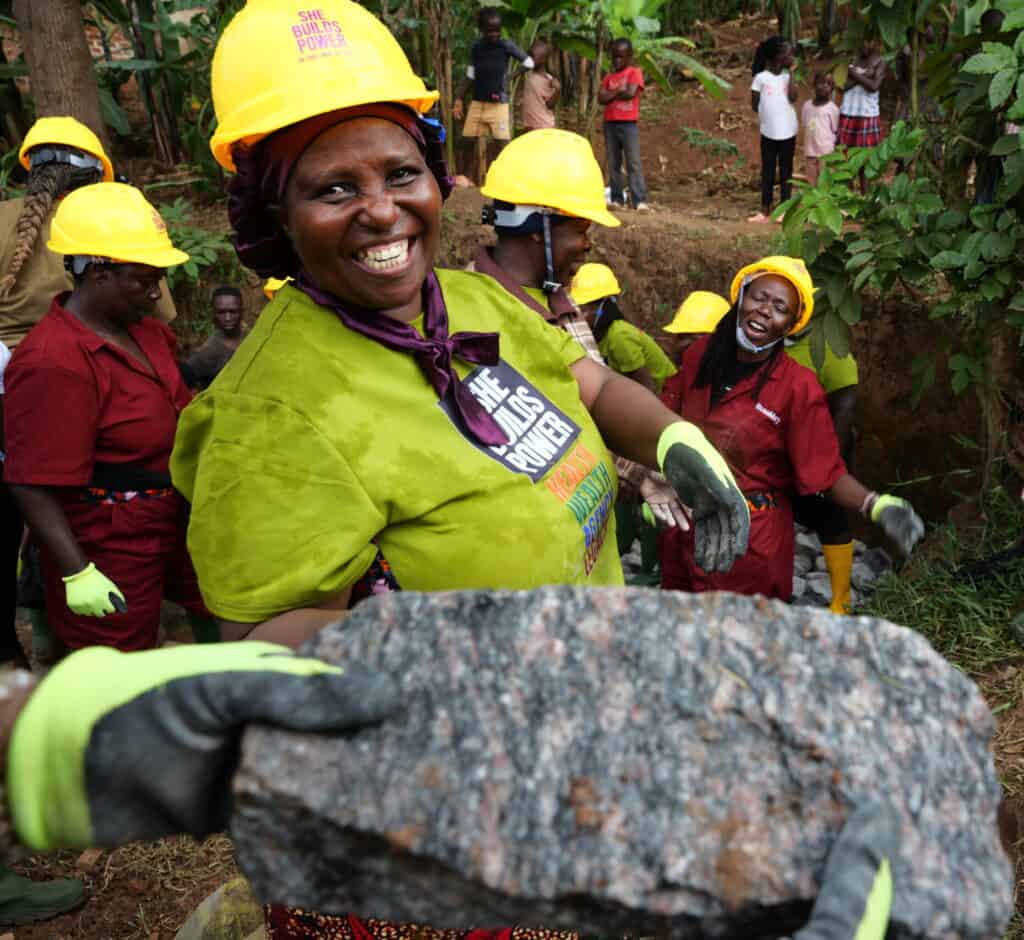
At She Builds Power, this is increasingly how we understand the relationship between our work in water, food, finance and leadership. Not as four separate programs. As essential systems that reinforce one another.
Reliable water can protect health and enable food production. Food security can reduce household spending and strengthen resilience. Access to finance can help women turn knowledge into action.
And when women have expertise, resources and genuine decision-making power, they are better positioned to determine what their households and communities need next.
A Full Plate is Not the Finish Line
Food absolutely matters.
We should never allow the argument that food is not sufficient to become an excuse for failing to provide it. But neither should we mistake providing food for solving malnutrition.
A nutritious future requires more than calories. It requires safe water. Healthy environments. Diverse and reliable food systems. Economic stability. Access to healthcare. Knowledge. Resources.
And women with the power to make decisions about the systems their families depend on. Because a meal can provide nutrients. But a system determines whether those nutrients have the chance to become health.