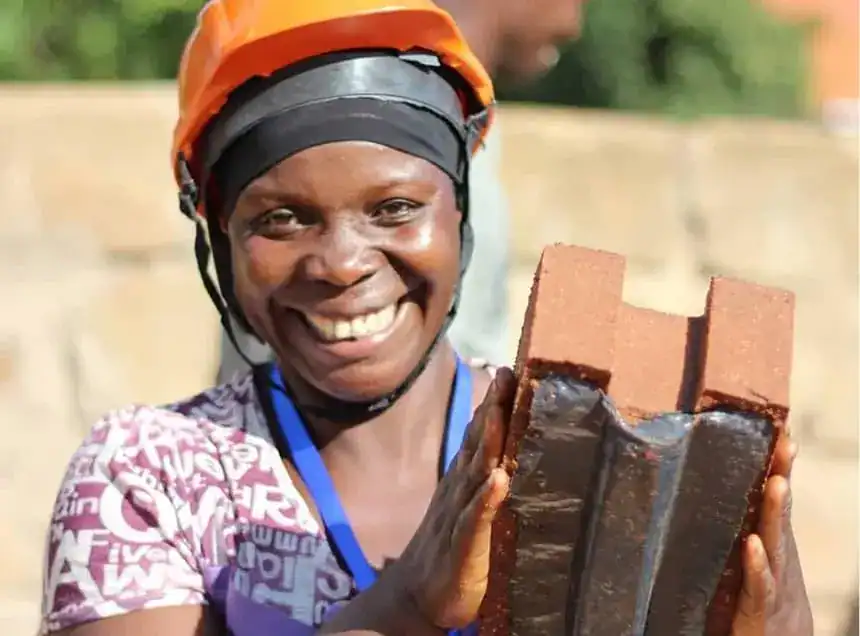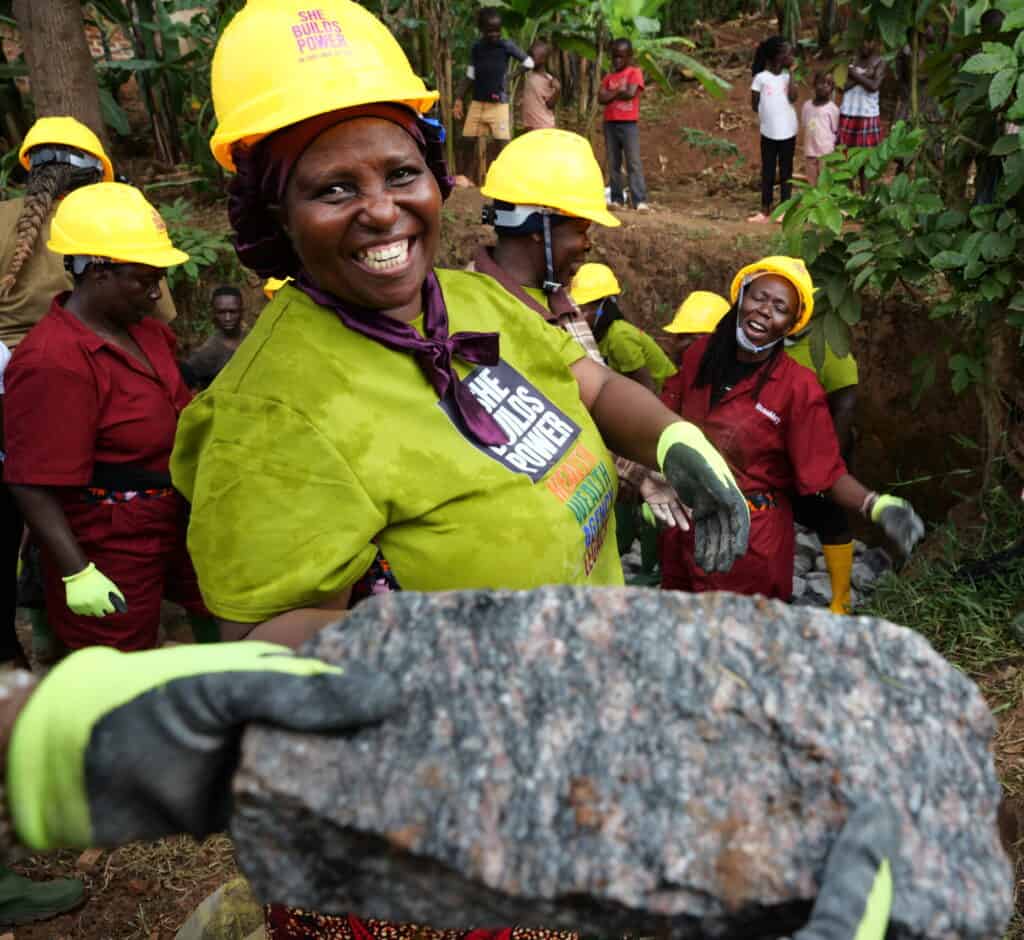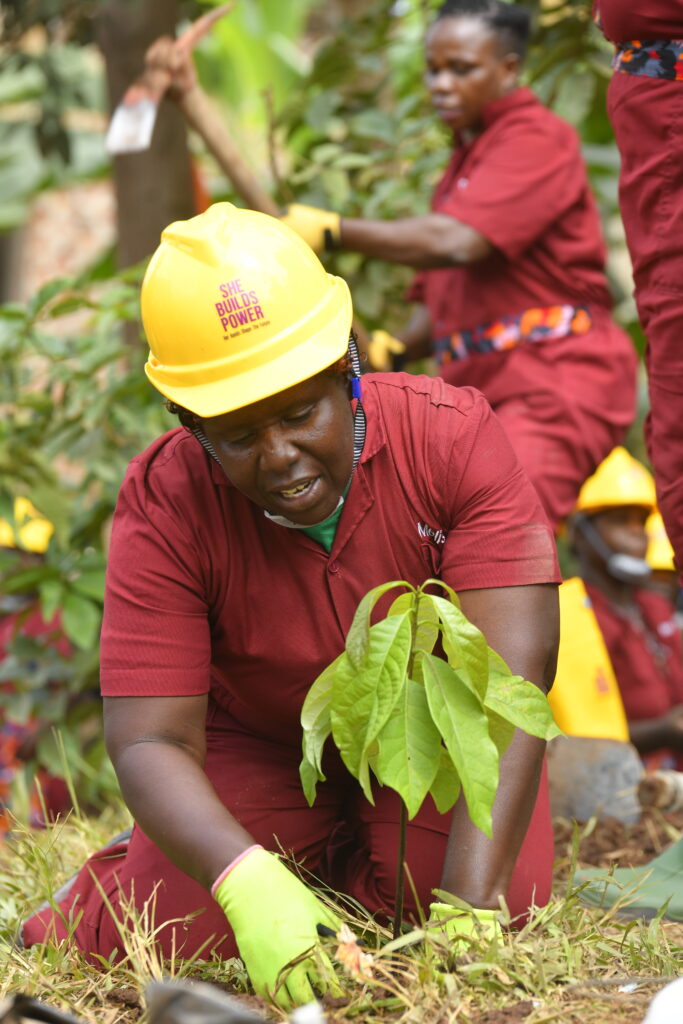
Following World Food Day which we celebrated on October 16, 2026, one important question remains: It isn’t just how we grow more food, but who is already growing it and what is preventing them from doing better. World Food Day brings the global conversation about hunger and food security into focus, and women are central to that conversation. Women in sub-Saharan Africa produce between 60 and 80 percent of the food that feeds families and communities, a figure documented across decades of agricultural research. They are not on the margins of the food system. They are the food system. Yet they own a fraction of the land, receive far less credit and extension training than men, and carry most of the unpaid care work that limits how much of their expertise they can actually deploy. Understanding how women build lasting food security is the starting point for any serious response to hunger.
Organizations working at the intersection of water, food, and finance understand that food security is not a single-issue problem. When women have reliable water access, productive land, and financial tools they control, something measurably different happens: families eat better, communities build stronger institutions, and gains hold across seasons and generations. That integrated reality is what this article is about.
Why Food Security Stalls Without Women’s Full Participation
Women farmers across East Africa consistently work land they do not own. That single fact has cascading consequences. Without secure tenure, a woman has little incentive to invest in soil health, permanent crops, or water infrastructure, she cannot guarantee she will benefit from those improvements next season. The access barriers stack quickly: no land title, no collateral; no collateral, no credit; no credit, no improved seeds or inputs. Meanwhile, unpaid care work constrains the hours she can spend at an extension training or a market.
This is not a women’s issue. It is a food system design flaw that reduces aggregate productivity and food availability for entire communities. The evidence is consistent across multiple studies and country contexts: when women receive land, inputs, training, and services comparable to men, they match men’s productivity levels. The access gap is substantial, and it costs everyone, not just the women shut out of resources, but entire communities that depend on what those women could produce.
How Women Build Lasting Food Security Through Climate-Smart Practices
Climate-smart agriculture sounds technical. The practices themselves are not. Intercropping, mulching, composting, drought-tolerant seed varieties, and small-scale rainwater harvesting are among the highest-adopted techniques among women smallholder farmers, precisely because they require skill and labor over capital. A gender-disaggregated study on women-led agriculture programs found intercropping adoption among women farmers reached 74 percent; mulching reached 72 percent. Women adopt these practices because they deliver visible results within a season and fit the realities of smaller plots and tighter budgets.
Post-harvest handling deserves equal attention. Reducing losses through better drying, hermetic storage, and basic processing extends food availability between harvests without requiring additional land. Most food security conversations focus on yield. The more complete question is how much food actually reaches a family’s table after harvest. Improved seed varieties combined with good-practice training increased productivity on women’s plots by 34 percent in a Tanzanian program evaluation. Pair that with reduced post-harvest losses, and the nutritional impact compounds across the household.
When Agricultural Skills Become Income and Agency
Agricultural knowledge becomes transformational when it connects to financial tools women actually control. Village savings and loan associations, known as VSLAs, provide accessible credit, emergency funds, peer accountability, and collective bargaining in communities where formal banks are either absent or exclusionary. Women use VSLA loans to buy seeds and tools at planting time, smooth food consumption during lean seasons, and protect productive assets when shocks hit. The effects are strongest when savings groups are paired with training, market access, and agricultural support rather than operating in isolation.
Those combined supports matter. Cash-plus programs, which pair regular transfers with productive assets, livelihood training, and nutrition education, show stronger and more durable results than transfers alone. In Kyrgyzstan, a Cash+ model evaluated by FAO improved food security, dietary diversity, and crop productivity, with reported yields rising more than 50 percent. The design principle that separates effective gender-responsive food systems from ineffective ones is direct control: inputs, credit, land documents, and payments reach women themselves, and outcomes are measured at the individual level, not just the household level.
When women control their own earnings, they invest differently than when resources flow through household-level channels. IFPRI findings and World Bank data document across dozens of country contexts that women direct more resources toward food, children’s health, and household nutrition. Agricultural skills, paired with market access and financial literacy, convert women from subsistence farmers into food system entrepreneurs. That shift is what creates generational change, and it’s central to how women build lasting food security in their communities.
Community Knowledge as the Real Multiplier
When one woman learns regenerative soil techniques or joins a savings group, that knowledge rarely stays within her fence line. CARE’s Pathways program reached 52,000 women farmers in Ghana and Tanzania; women’s empowerment scores more than doubled, and during the 2015 El Niño period, production of some crops rose by as much as 56 percent. An external analysis estimated $31 in social benefits for every $1 invested. Women’s producer organizations share inputs, storage, market access, and crop knowledge collectively, turning individual gains into community infrastructure.
Programs that engage male household members and community leaders alongside women see stronger, more durable results. Gender-transformative approaches reduce the quiet resistance that can unravel progress, particularly around women’s authority over land decisions and income. Inclusion alone does not shift power. Deliberate engagement of the people who currently hold it does, a distinction that separates token participation from genuine women-led agriculture programs built for lasting change.
Financial Tools: How Women Build Food Security That Lasts
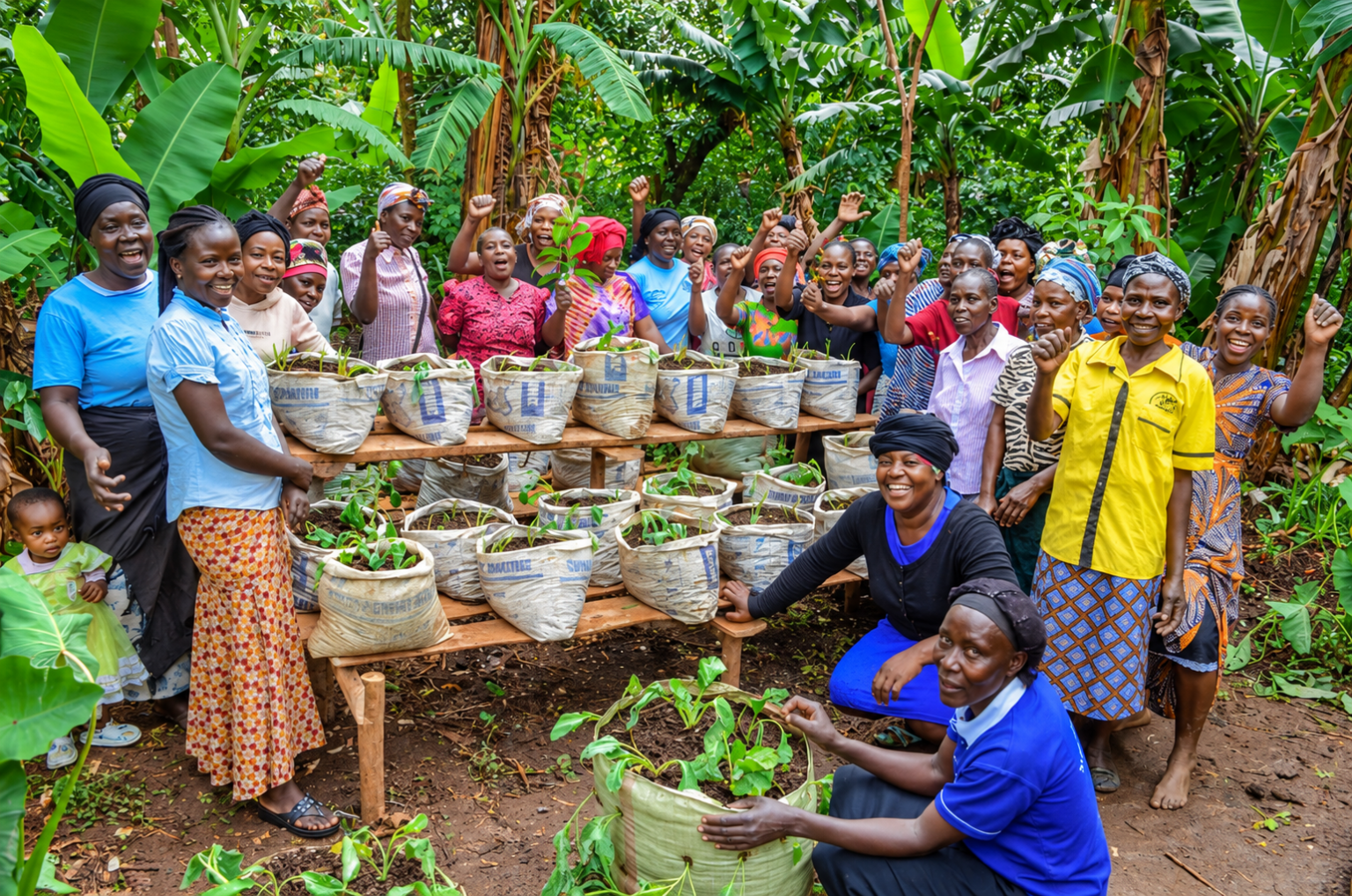
She Builds Power’s food programs in East Africa train women in climate-resilient agriculture, connect farming directly to financial tools through savings groups and microloans, and treat water access as the foundation that makes sustainable food production possible at all. This integrated water-food-finance model operates across four countries and has reached more than 12,700 women leaders, internal program figures based on direct enrollment and outcome tracking, who multiply that impact in their own communities. The design mirrors what the evidence recommends: direct control, bundled support, and measurement that captures women’s yields, income, and agency, not just household-level averages.
For donors, advocates, and development practitioners looking to act this World Food Day, here are concrete places to start:
- Donate to women-specific food and agriculture programs that measure and report individual-level outcomes for women, not just household averages.
- Advocate for women’s land rights policies at local, national, and international levels; secure tenure is a food security intervention.
- Support organizations with a 100% program-directed giving model, where every dollar reaches the work directly.
- Share content that frames women as food system architects, not aid recipients. Language shapes funding decisions and policy priorities.
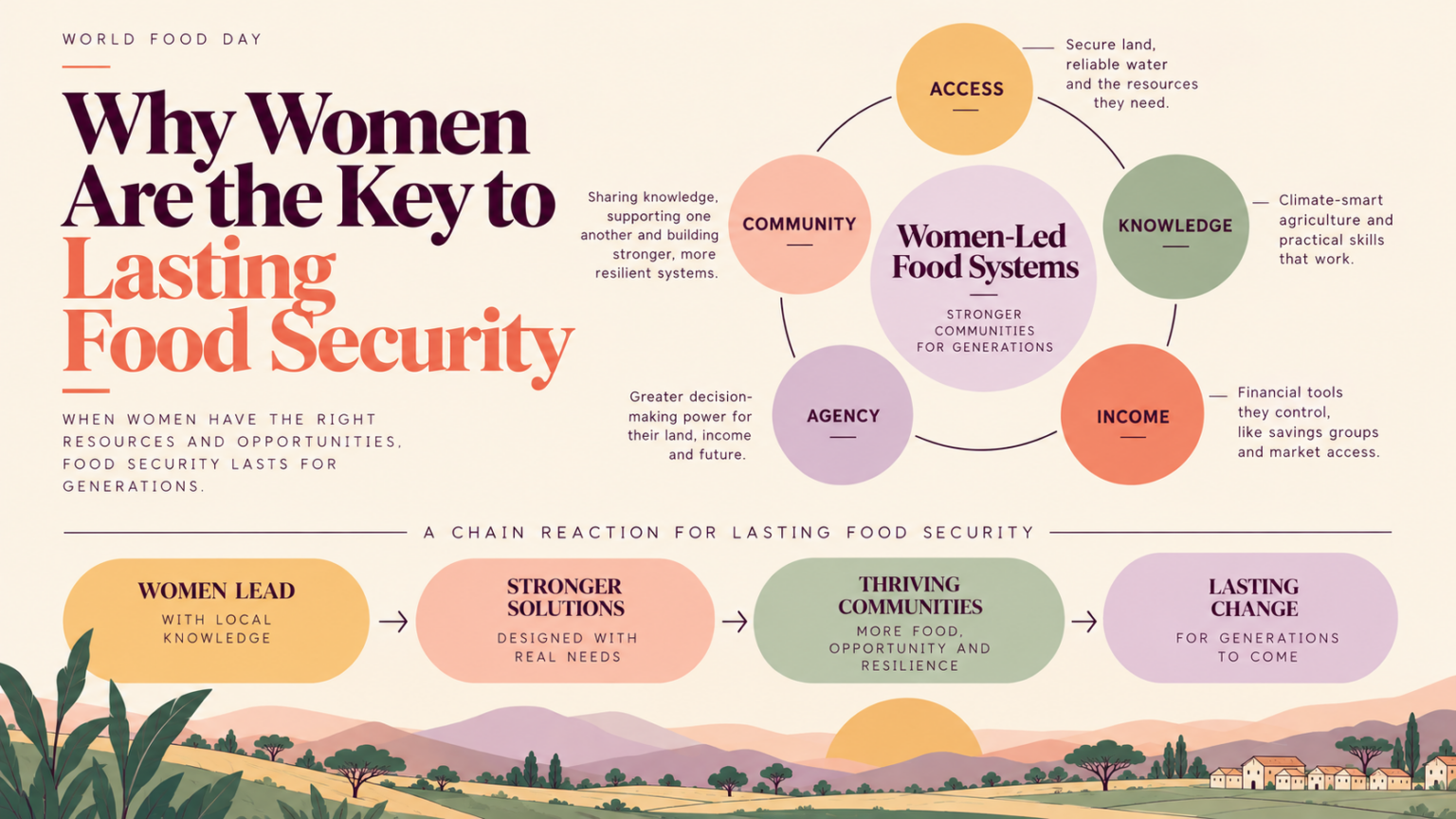
Lasting food security is not built by solving hunger as an abstract problem. It is built by removing the specific barriers that prevent women from leading, farming, financing, and teaching on their own terms. Access, knowledge, income, agency, and community are not separate program categories. They are one system, and that system works best when women are at the center of it, with real authority over the decisions that shape it.
This World Food Day, the question is not whether women build lasting food security. The evidence settled that long ago. The question is where you want to plug in. She Builds Power is one concrete place to start. Reach out to our team to learn more about how your support builds gender-responsive food systems that hold across seasons, shocks, and generations.
References- Food and Agriculture Organization of the United Nations (FAO). The Status of Women in Agrifood Systems. https://openknowledge.fao.org/server/api/core/bitstreams/317db554-c763-4654-a0d3-24a8488bbc3a/content/status-women-agrifood-systems-2023/transforming-agrifood-gender-equality.html
- MDPI. Sustainability — Research on agroecology and sustainable agricultural practices. https://www.mdpi.com/2071-1050/13/4/2074
- JE Austin Associates. Village Savings and Loan Assessment Report. https://cdn.prod.website-files.com/65b9772a90da399824c4297a/662924387f4de2a42966c8a7_Village%20Savings%20and%20Loan%20Assessment%20Report%20by%20JE%20Austin.pdf
- UN Women. Gender Analysis and Gender Mainstreaming in Development. https://www.unwomen.org/sites/default/files/Headquarters/Attachments/Sections/How%20We%20Work/UNSystemCoordination/FINAL%20EGM%20REPORT%201%20NOV%20version%20pdf.pdf
- World Bank. Localizing Development: Does Participation Work? https://www.worldbank.org/en/research/publication/localizing-development-does-participation-work
- Asian Development Bank. Gender action plans and gender mainstreaming in development projects. https://www.adb.org/
- Food and Agriculture Organization of the United Nations (FAO). Dimitra Clubs: Rural Women and Community-Led Development. https://www.fao.org/
- CARE. Village Savings and Loan Associations (VSLAs). https://www.care.org/our-work/education-and-work/microsavings/
- She Builds Power. About She Builds Power. https://shebuildspower.org/about/