The Problem Isn’t Just Dirty Water. It’s the System Around It.
Imagine a village celebrates the completion of a new water source. Families no longer collect water from a contaminated stream. Children have safer drinking water. Women spend less time collecting it.
It’s a significant achievement. But what happens next?
A child drinks safe water in the morning, then plays near an area contaminated by human waste. Food is prepared with unwashed hands. A household stores clean water in an unclean container. A girl misses school because there is no private, functional toilet where she can manage her period.
The water source is working exactly as intended.
The health system around it isn’t.
We often invest in solutions as though problems exist independently, when the conditions that produce them are deeply interconnected.
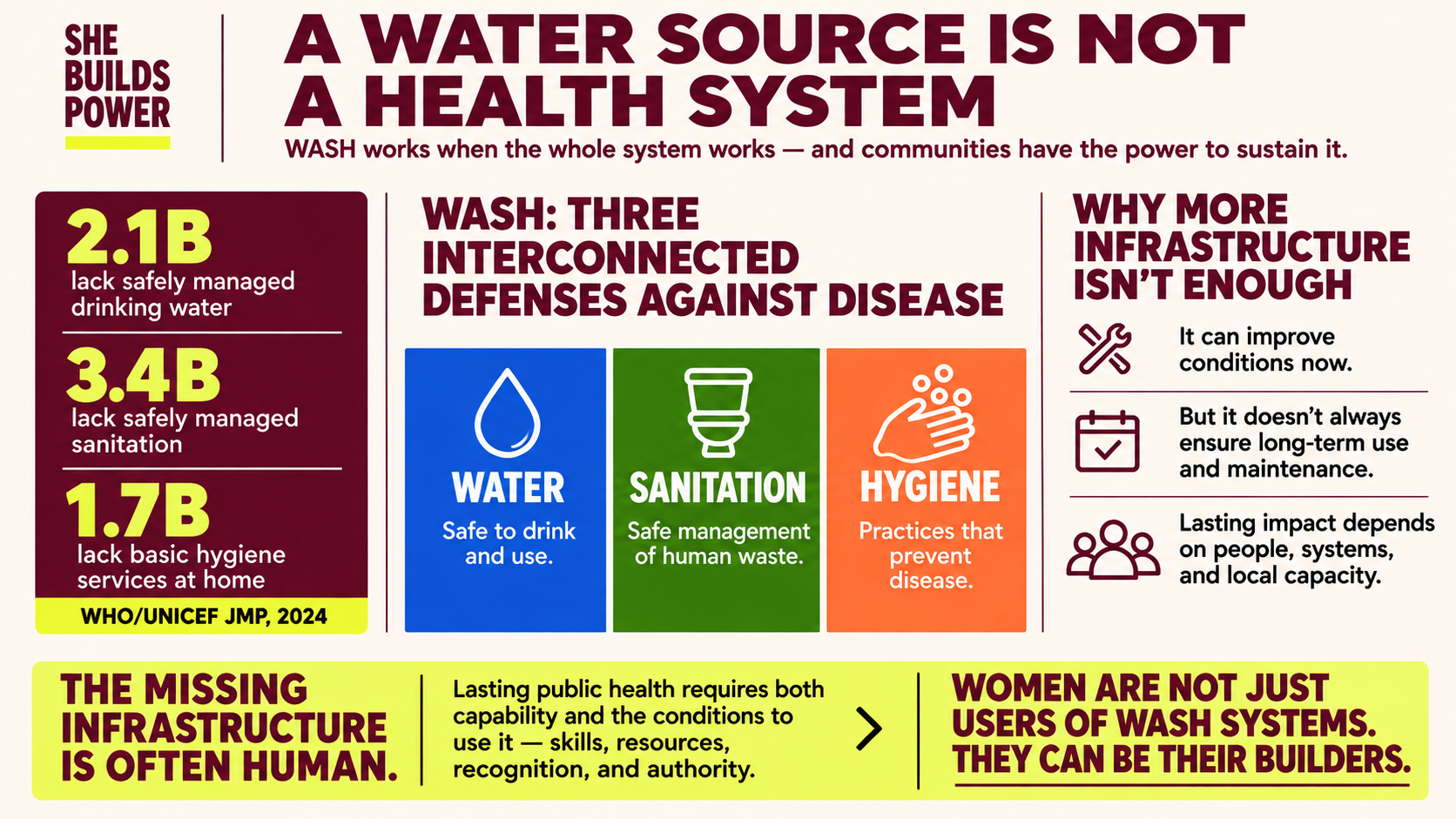
According to the WHO/UNICEF Joint Monitoring Programme, in 2024:
- 2.1 billion people lacked safely managed drinking water.
- 3.4 billion people lacked safely managed sanitation.
- 1.7 billion people lacked basic hygiene services at home.
These aren’t simply three infrastructure deficits. They represent overlapping vulnerabilities that threaten health, dignity, education, and economic security.
The question isn’t only how to provide more water, toilets, or hygiene facilities. It’s how to create systems in which they work together—and continue working long after the initial investment.
Three Interconnected Defenses Against Disease
Water, sanitation, and hygiene—collectively known as WASH—address different ways disease enters and spreads through communities.
Water must be safe to drink, whether protected at its source or treated appropriately, and remain safe during collection, transportation, storage, and use.
Sanitation involves safely managing human waste through its containment, treatment, and disposal or reuse, including wastewater management.
Hygiene encompasses practices and conditions that protect health, including handwashing, safe food handling, personal cleanliness, and menstrual hygiene.
Each addresses a different part of the problem. But none operates in isolation.
Unsafe sanitation can contaminate water and surrounding environments. Inadequate hygiene can introduce pathogens into food or previously safe drinking water. Without sufficient water, basic hygiene practices become difficult to maintain.
A household may have safe drinking water and still experience illness from contaminated food. A family may have a toilet but no water or soap for handwashing. A girl may have menstrual products but nowhere private or safe to use them.
The presence of a solution does not guarantee the conditions necessary for it to work.
Why Building More Isn’t Always Enough
Development investments are often measured by what they deliver.
How many water points were installed? Toilets constructed? Households trained?
These indicators tell us what was accomplished, but not necessarily whether people are healthier, infrastructure remains functional, or communities can respond when systems fail.
Research also challenges the assumption that combining interventions automatically produces greater health improvements. Large WASH trials in Kenya and Bangladesh found that combined packages did not consistently outperform individual interventions for every outcome, particularly child growth.
Putting multiple solutions in the same community is not the same as building a functioning system.
Effectiveness depends on quality, coverage, consistent use, environmental conditions, and long-term management. Even technically successful projects can produce temporary results if the conditions needed to sustain them are missing.
That should change how we define development success.
The Missing Infrastructure Is Often Human
Consider what happens when a water system breaks.
Who recognizes the problem? Who repairs it? Who has the tools, resources, and authority to act? Who decides how maintenance is funded?
These questions reveal another layer of WASH that rarely receives the attention given to physical infrastructure.
At She Builds Power, our experience alongside women in East Africa has reinforced a fundamental principle:
Capability and the conditions to exercise it must be developed together.
A woman may know her community’s water challenges better than an outside technical expert. She may recognize contamination risks, understand why sanitation facilities aren’t being used, or identify households facing the greatest vulnerability.
But recognizing a problem is different from having the power to solve it.
Does she have technical training? Can she obtain materials? Is her expertise recognized? Can she influence decisions? Does she control resources?
These conditions determine whether existing knowledge becomes effective action—and whether that action can be sustained.
Women Are Not Just Users of WASH Systems. They Can Be Their Builders.
Women often carry disproportionate responsibility for collecting water, maintaining household hygiene, and caring for sick family members.
Yet responsibility does not automatically come with decision-making power.
The people experiencing inadequate WASH most directly are not always invited to design, construct, finance, or govern its solutions.
That’s an enormous loss of local expertise.
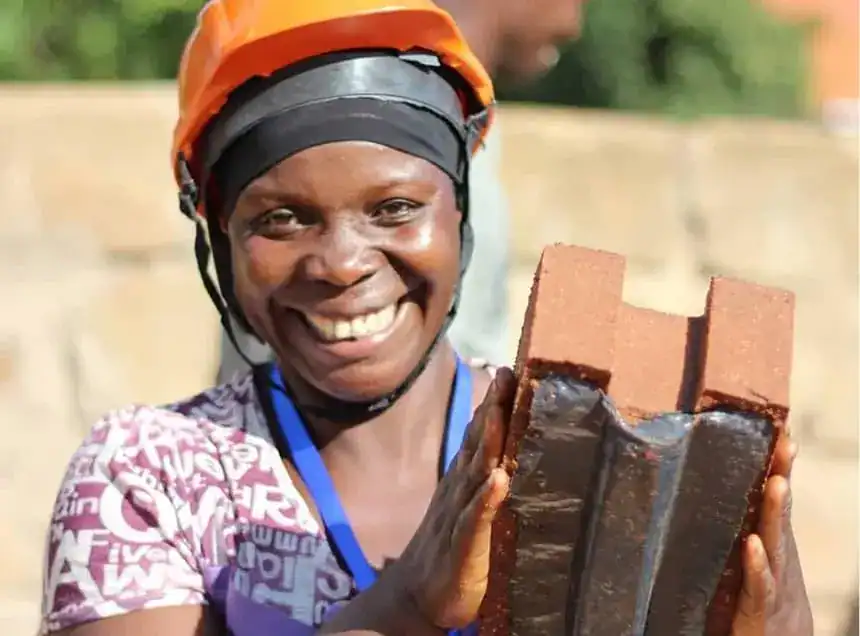
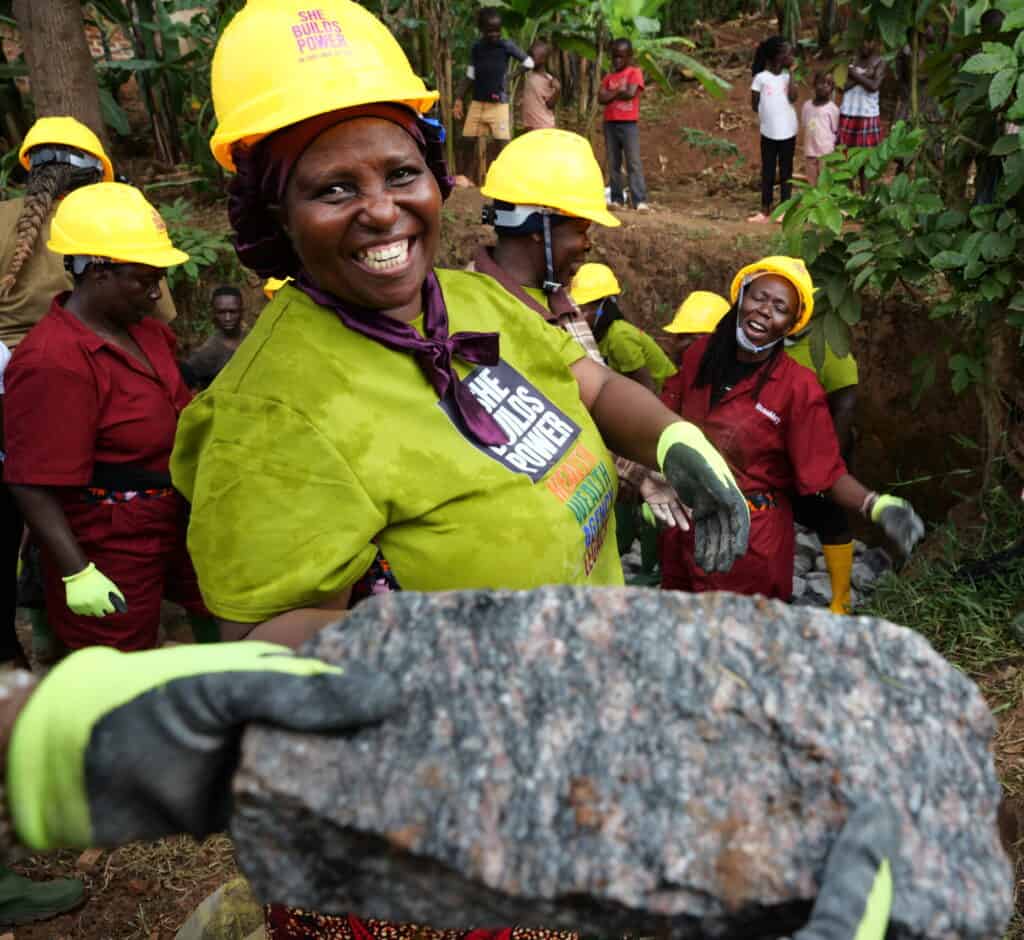
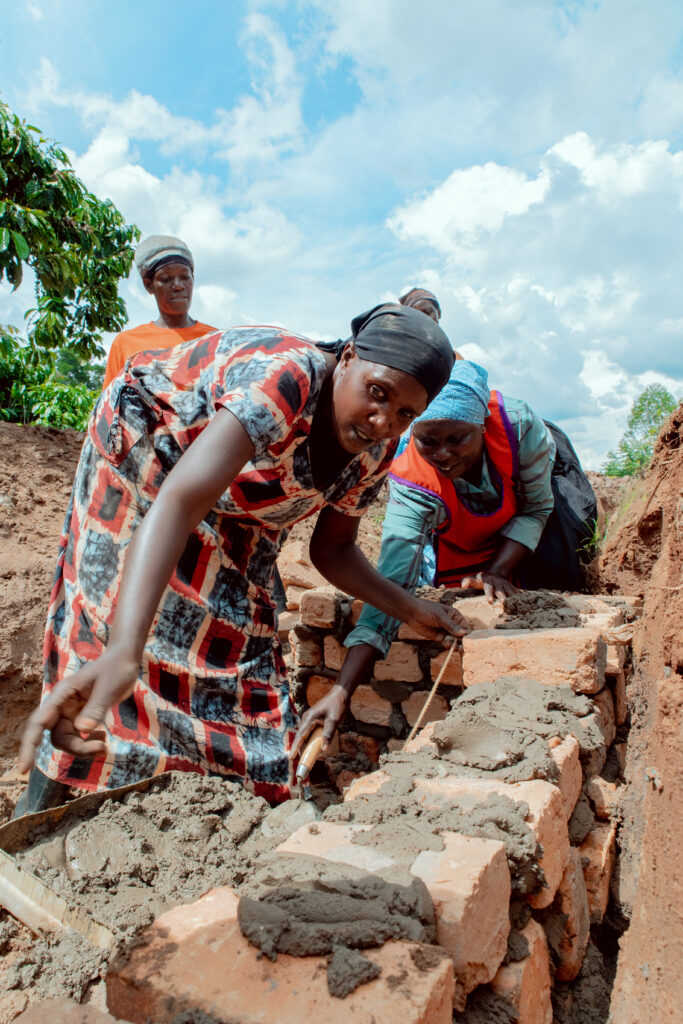
Across East Africa, we’ve seen what becomes possible when women become builders, technicians, entrepreneurs, and community leaders. They learn to construct protected spring wells, produce water filters, build sanitation facilities, and develop hygiene-related enterprises.
Equally important, they develop financial management, organizing, negotiation, and leadership skills to mobilize resources and transfer their knowledge to others.
WASH Is What They Build. Local Power Is What Grows.
In Uganda, Engineer Godliver Businge has spent years training women to construct and manage essential water and sanitation systems.
One of those women is Emily, a 69-year-old grandmother who first joined our programs as a village trainee. Emily developed skills in WASH, food production, entrepreneurship, and financial management, eventually becoming a respected community leader.
This year, she returned for advanced training with Godliver and helped lead the construction of a protected spring well serving approximately 360 households, sharing her technical knowledge with other community members along the way.
Consider what that represents.
Godliver’s expertise became part of Emily’s capability. Emily is now transferring that knowledge to others, helping grow the number of people who can contribute to future projects.
The well serves today’s households. The knowledge can serve generations.
The true legacy of a WASH project isn’t only what gets built. It’s who can build what comes next.
From Public Health to Local Power
When women have the capability and authority to shape WASH systems, the benefits can extend far beyond disease prevention.
Reliable water and sanitation can protect health and reduce household expenses associated with illness. Technical skills can create economic opportunities. Leadership in infrastructure projects can strengthen women’s influence over other community decisions.
But these outcomes aren’t automatic.
A water source doesn’t guarantee economic opportunity. Technical training doesn’t guarantee leadership. Participation doesn’t necessarily mean ownership.
Each requires enabling conditions.
This is why She Builds Power connects water, food, finance, and leadership. Water supports health and food production. Food security strengthens household stability. Financial resources make investment and maintenance possible. Leadership ensures communities can shape and sustain the systems they depend on.
Together, they create the potential for four interconnected outcomes:
Health. Wealth. Agency. Legacy.
Not simply healthier households today, but communities with greater capacity to protect and improve their well-being tomorrow.
What Should We Be Measuring?
If we want WASH investments to produce lasting results, we need to look beyond construction and distribution.
Are people experiencing fewer preventable illnesses? Are facilities consistently safe and functional? Can communities maintain and repair their infrastructure? Do women influence decisions and control resources? Are skills being transferred? Can communities adapt when circumstances change?
These questions shift our attention from completed projects to enduring capabilities.
They also challenge a longstanding assumption in development: that success is determined primarily by what outside organizations deliver.
Perhaps an equally important measure is what communities become capable of doing without them.
The Future of WASH Must Be Built to Last
Billions of people still lack services essential to health, safety, and dignity. Expanding reliable water, sanitation, and hygiene infrastructure remains urgent.
But we cannot confuse delivering infrastructure with creating lasting systems.
Water, sanitation, and hygiene need to function together. Communities need the capability, resources, authority, and ownership to maintain them—and improve them over time.
This is the difference between building something for a community and creating the conditions for people to build and sustain what they need.
A well can deliver water. A functioning WASH system can protect health. A community with the power to sustain that system can shape its own future.
Because when women build, power shifts.